, to see if you have full access to this publication.
Monograph No access
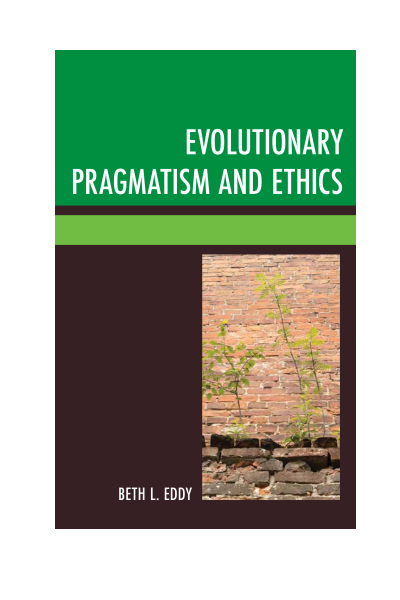
Evolutionary Pragmatism and Ethics
Authors:
Publisher:
2015
Summary
In the late nineteenth century, culture critics who were readers of Darwin’s work on evolution pondered what the implications of natural selection might be for human culture, religion and ethics. American pragmatists, by and large, rejected a social Darwinian spin on ethics, economics, and theology in favor of a less determinate humanist version of the ethical implications that emphasized contingency and meliorism. The early arguments between T. H. Huxley and William Sumner over the issues mirrors the contemporary arguments between Stephen Jay Gould and others against “the New Atheists’” determinate interpretation of cultural implications which largely echo the social Darwinists’ position but in the current language of sociobiology. The work of pragmatists such as William James, George Santayana, Jane Addams, and John Dewey detail an evolutionary perspective that rejects the moral implications of social Darwinism.
Search publication
Bibliographic data
Edition
1/2015
Copyright Year
2015
ISBN-Print
978-0-7391-9864-3
ISBN-Online
978-0-7391-9865-0
Publisher
Lexington, Lanham
Language
English
Pages
137
Product Type
Monograph
Table of contents
ChapterPages
Contents No access
Acknowledgments No access
Introduction No access
1 Setting the Stage No access Pages 1 - 20
2 T. H. Huxley’s Evolution and Ethics No access Pages 21 - 32
3 John Dewey in Conversation with Huxley and Santayana on Evolution and Ethics No access Pages 33 - 58
4 Struggle or Mutual Aid No access Pages 59 - 78
5 Jane Addams, John Dewey, and the Evolutionary Tension Points No access Pages 79 - 106
6 Contemporary Controversies over Chance and Teleology No access Pages 107 - 124