, um zu prüfen, ob Sie einen Vollzugriff auf diese Publikation haben.
Monographie Kein Zugriff
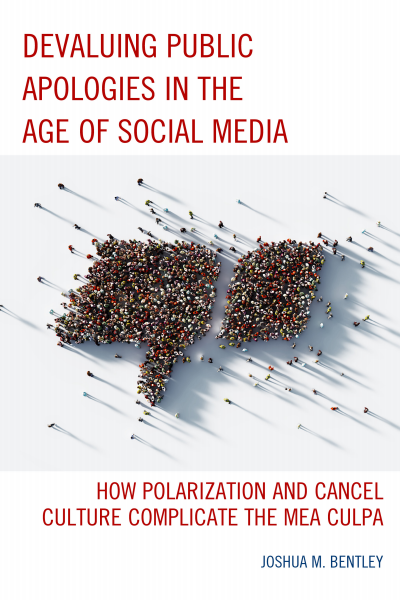
Devaluing Public Apologies in the Age of Social Media
How Polarization and Cancel Culture Complicate the Mea Culpa
Autor:innen:
Verlag:
2024
Zusammenfassung
In Devaluing Public Apologies in the Age of Social Media, Joshua M. Bentley argues that apologies are losing their meaning in American society as organizations and public figures treat them as strategical tools without considering their ethical implications. As the demand for apologies in the age of social media continues to increase exponentially, Bentley posits, the apologies that are given carry less and less weight to the public. This book examines how controversial figures like Donald Trump and Joe Rogan, as well as brands like Google and Bud Light, have addressed public controversies both effectively and ineffectively, illustrating how social media, polarization, and cancel culture are changing the way apologies are given and received. If apologies are to serve their historical role of resolving conflict peacefully, Bentley argues, they must be placed back into their proper ethical context. This book offers insight on how individuals and organizations can ensure their apologies reflect their authentic values. Scholars of communication, ethics, media studies, political science, and public relations will find it especially useful.
Publikation durchsuchen
Bibliographische Angaben
Auflage
1/2024
Copyrightjahr
2024
ISBN-Print
978-1-6669-4190-6
ISBN-Online
978-1-6669-4191-3
Verlag
Lexington, Lanham
Sprache
Englisch
Seiten
200
Produkttyp
Monographie
Inhaltsverzeichnis
KapitelSeiten
Dedication Kein Zugriff
Contents Kein Zugriff
Acknowledgments Kein Zugriff
Introduction Kein Zugriff Seiten 1 - 6
Chapter 1: What Is an Apology? Kein Zugriff
Chapter 2: Public Apologies as Strategic Communication Kein Zugriff
Chapter 3: Ethical Issues in Public Apologies Kein Zugriff
Chapter 4: Social Media and Public Apologies Kein Zugriff
Chapter 5: Polarization and Public Apologies Kein Zugriff
Chapter 6: Cancel Culture and the Misuse of Apologies Kein Zugriff
Conclusion Kein Zugriff Seiten 165 - 165
Notes Kein Zugriff Seiten 166 - 166
Bibliography Kein Zugriff Seiten 167 - 190
Index Kein Zugriff Seiten 191 - 198
About the Author Kein Zugriff Seiten 199 - 200
Ähnliche Veröffentlichungen
aus dem Schwerpunkt "Kulturgeschichte & Kulturwissenschaft"