, um zu prüfen, ob Sie einen Vollzugriff auf diese Publikation haben.
Monographie Kein Zugriff
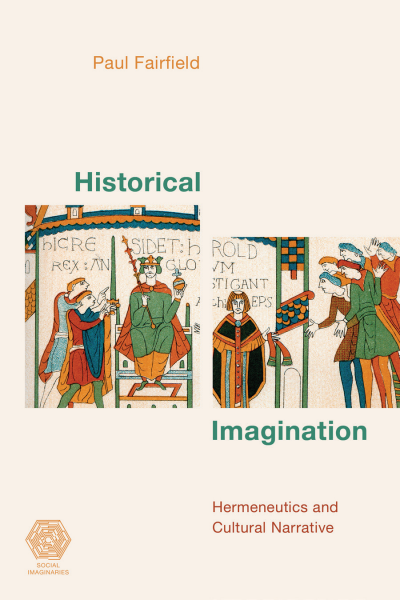
Historical Imagination
Hermeneutics and Cultural Narrative
Autor:innen:
Verlag:
2022
Zusammenfassung
Historical Imagination defends a phenomenological and hermeneutical account of historical knowledge. The book’s central questions are what is historical imagination, what is the relation between the imaginative and the empirical, in what sense is historical knowledge always already imaginative, how does such knowledge serve us, and what is the relation of historical understanding and self-understanding? Paul Fairfield revisits some familiar hermeneutical themes and endeavors to develop these further while examining two important periods in which historical reassessments or re-imaginings of the past occurred on a large scale. The conception of historical imagination that emerges seeks to advance beyond the debate between empiricists and postmodern constructivists while focusing on narrative as well as a more encompassing interpretation of who an historical people were, how things stood with them, and how this comes to be known. Fairfield supplements the philosophical argument with an historical examination of how and why during late antiquity, early Christian thinkers began to reimagine their Greek and Roman past, followed by how and why renaissance and later enlightenment figures reimagined their ancient and medieval past.