, um zu prüfen, ob Sie einen Vollzugriff auf diese Publikation haben.
Monographie Kein Zugriff
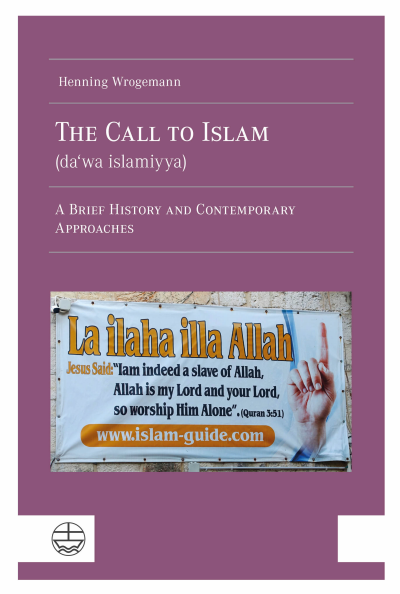
The Call to Islam (daʻwa islamiyya)
A Brief History and Contemporary Approaches- Autor:innen:
- Verlag:
- 2024
Zusammenfassung
Today Islam is numerically the second largest religion in the world. Its message is aimed generally at all people and has been addressed to Muslims and non-Muslims alike since the beginning of Islam through the »Call to Islam« (Arabic daʻwa islamiyya). But what exactly does »Call to Islam« mean? After a brief historical sketch of different forms of daʻwa, this book provides an overview of various daʻwa theologies of the 20th and 21st centuries as well as of some daʻwa organizations and different daʻwa approaches. Finally, the question is raised about the challenges that daʻwa activities of a conservative or an Islamist Islam pose for liberal and democratic societies.
Schlagworte
Publikation durchsuchen
Bibliographische Angaben
- Auflage
- 1/2024
- Copyrightjahr
- 2024
- ISBN-Print
- 978-3-374-07626-0
- ISBN-Online
- 978-3-374-07627-7
- Verlag
- EVA, Leipzig
- Sprache
- Englisch
- Seiten
- 228
- Produkttyp
- Monographie
Inhaltsverzeichnis
KapitelSeiten
- Titelei/Inhaltsverzeichnis Kein Zugriff Seiten 1 - 8
- 1. Islamization of the World – Threat or Contribution? Kein Zugriff
- 2. The Call to Islam – Modes of Islamization Kein Zugriff
- 3. Methodology Kein Zugriff
- 4. Sources Kein Zugriff
- 5. Structure, Content and Aim of this Book Kein Zugriff
- 6. Acknowledgments Kein Zugriff
- 1. Da‘wa in the Qur’ān Kein Zugriff
- 2. A Short History of the Early Expansion of Islam Kein Zugriff
- 3. The ʻAbbāsid Da‘wa (750–1258) Kein Zugriff
- 4. The Fāṭimid Da‘wa (909–1171) Kein Zugriff
- 5. The Ṣūfī Da‘wa Kein Zugriff
- 6. Conclusion Kein Zugriff
- 1. Precursors to Salafiyya: Taqīy Ad-Dīn Aḥmad Ibn Taymiyya (1263–1328) Kein Zugriff
- 2. Jamāl ad-Dīn al-Afghānī (1838–1898) Kein Zugriff
- 3. Muḥammad Abduh (1849–1905) Kein Zugriff
- 4. Islamic Reactions to Developments of the Colonial Era Kein Zugriff
- 5. Strands of Islamic Movements Kein Zugriff
- 6. A Typology of Islamic Movements oh the 20th Century Kein Zugriff
- 1. Ḥasan al-Bannā’ (1906–1949) and the Early Years of the MB Kein Zugriff
- 2. Daʻwa According to Ḥasan al-Bannā’ – Theory and Practice Kein Zugriff
- 3. Sayyid Qutḅ (1906–1966) – Radical Thinker of the MB Kein Zugriff
- 4. Quṭb's Dichotomic Worldview Kein Zugriff
- 5. Radical Thinking and Militant Islamism Kein Zugriff
- 6. MB Activities from the 1970s until 2000 Kein Zugriff
- 1. Muḥammad Ilyās (1885–1944) Kein Zugriff
- 2. Daʻwa Preaching Tours to the Mewati People (India) Kein Zugriff
- 3. Ṣūfīsm and the Da'wa Concept of Muḥammad Ilyās Kein Zugriff
- 4. On the Profile of Tablīgh-Journeys Kein Zugriff
- 5. Worldwide Spread of the Tablīghī Jamā‘at Kein Zugriff
- 6. A Competing Movement: Dawʻat-e Islāmī (Pakistan) Kein Zugriff
- 1. Abū ’l-A‘lā Maudūdī (1903–1979) Kein Zugriff
- 2. Daʻwa as Individual-Elitist Action Kein Zugriff
- 3. Maudūdīʼs Late Daʻwa-Strategy Kein Zugriff
- 4. Daʻwa, ʻRevolutionʼ, and Islamic State Kein Zugriff
- 5. Islamic Order as All-encompassing Solution Kein Zugriff
- 6. The Lasting Influence of Maudūdī Kein Zugriff
- 1. Egypt: Jamāl Abd an-Nasser and Arabic Nationalism Kein Zugriff
- 2. The Role of the Al-Azhar University Kein Zugriff
- 3. Saudi Arabia: The Muslim World League and Wahhābism Kein Zugriff
- 4. The Role of Islamic Universities and Their Stipendee-Programs Kein Zugriff
- 5. Daʻwa Competition Among Many Rivals Kein Zugriff
- 6. Six Daʻwa Tendencies in the Late 20th Century: Summary and Outlook Kein Zugriff
- 1. Daʻwa as a Duty for Every Muslim Kein Zugriff
- 2. Daʻwa as a Dialogical Encounter Kein Zugriff
- 3. Daʻwa as a Task of Education Kein Zugriff
- 4. International Daʻwa Network: The ʻFamilyʼ-System Kein Zugriff
- 5. Daʻwa Among Muslims and Non-Muslims in Islamic Societies Kein Zugriff
- 6. Daʻwa Work in Non-Muslim Countries Kein Zugriff
- 1. The Aim of Daʻwa Kein Zugriff
- 2. Daʻwa as Invitation of Non-Muslims to Islam Kein Zugriff
- 3. Daʻwa Stages A: (1) Daʻwa, (2) Community, (3) Training & Purification Kein Zugriff
- 4. Daʻwa Stages B: (4) Resistance, (5) Emigration, (6) Militant Fight Kein Zugriff
- 5. Daʻwa, Conflict and the Question of Violence Kein Zugriff
- 6. Daʻwa as a Revolutionary-Political Process? Kein Zugriff
- 1. Daʻwa as the Erection of the Oneness of God (Arabic tauḥị̄d) Kein Zugriff
- 2. The Prophetic Reasons for Tauḥị̄d – Noah, Joseph, Moses, Muḥammad Kein Zugriff
- 3. Tauḥị̄d Versus Political Daʻwa Kein Zugriff
- 4. Tauḥị̄d Versus Ṣūfīstic Daʻwa Kein Zugriff
- 5. Tauḥị̄d Versus Kalā m-Daʻwa Kein Zugriff
- 6. Levels of Daʻwa discourse Kein Zugriff
- 1. Aesthetic-Reception in the Exegesis of the Qurʼān Kein Zugriff
- 2. Criteria for a Qur’ānic Liberation Theology Kein Zugriff
- 3. A Hermeneutic of an Interreligious Perception of Limits Kein Zugriff
- 4. Individual and a Collective Understanding of Islām Kein Zugriff
- 5. Daʻwa in the Context of a Pluralistic Competition for the Good Kein Zugriff
- 6. Conclusion Kein Zugriff
- Summary Kein Zugriff
- 1. The Saudi Da‘wa From the Oil Boom to the First Gulf War (1973–1991) Kein Zugriff
- 2. Da‘wa by way of Ministries, Organizations, Universities, and the Media Kein Zugriff
- 3. Saudi Arabia in the Political Context of the 1990s and Quietist Daʻwa Kein Zugriff
- 4. Expanding Saudi Soft Power: Financing Islamic Studies in the West Kein Zugriff
- 5. Saudi-Arabia under Mohammad bin Salman: Vision 2030 Kein Zugriff
- 6. Saudi Soft Power and the Future of Its Daʻwa Kein Zugriff
- 1. Social Movement Theory as an Interpretation of Islamic Movements Kein Zugriff
- 2. Daʻwa Theories of a Political Islam – Stage Models Kein Zugriff
- 3. Implementations Between Ideology, Organization and Pragmatics Kein Zugriff
- 4. Success of the MB Through the Branch System Kein Zugriff
- 5. Success of MB Through the Power of Its Narrative Kein Zugriff
- 6. Political Daʻwa in Changing Forms – a Conclusion Kein Zugriff
- 1. An Influential Jihādī Theorist: Abū Muḥammad al-Maqdisī (b. 1959) Kein Zugriff
- 2. Friends and Enemies: the Principle of al-walāʼ wa al-barāʼ Kein Zugriff
- 3. Declaring-Others-to-be-Unbelievers: the Principle of takfīr Kein Zugriff
- 4. Jihādī Da‘wa in Concrete Terms – Ansār al-Sharīʻa in Tunisia (AST) Kein Zugriff
- 5. Jihādī Da‘wa – Profile, Implementation, and Effects Kein Zugriff
- 6. The Phase Model of Daʻwa and Its Consequences Kein Zugriff
- 1. Popular Da‘wa: Context – New Types of Media and Globalization Kein Zugriff
- 2. Popular Da‘wa: Precursors – Sha‘rāwī (1911–1998) and Deedat (1918–2005) Kein Zugriff
- 3. Da‘wa, Natural Science, Modernity: Amr Khāled (b. 1967) – Egypt Kein Zugriff
- 4. Da‘wa, Spirituality, Life: Abdullah Gymnastiar (b. 1962) – Indonesia Kein Zugriff
- 5. Da‘wa, ʻComparison of Religions,ʼ Conversion: Zakir Naik (b. 1965) – India Kein Zugriff
- 6. Popular Da‘wa: Profile and Effects – Individual and Society Kein Zugriff
- 1. Daʻwa in the Present – a Panoramic View Kein Zugriff
- 2. Freedom for Critical Islamic Studies in Muslim Majority Societies? Kein Zugriff
- 3. Democratic Societies and the Importance of Historical-Critical Research Kein Zugriff
- 4. Historical-Critical Research Versus ʻDisciplinary Apologeticsʼ Kein Zugriff
- 5. Daʻwa and Territoriality – A Hermeneutic of Space Kein Zugriff
- 6. Daʻwa and Democracy – Looking ahead Kein Zugriff
- Bibliography Kein Zugriff Seiten 209 - 224
- Name Index Kein Zugriff Seiten 225 - 228