, to see if you have full access to this publication.
Edited Book No access
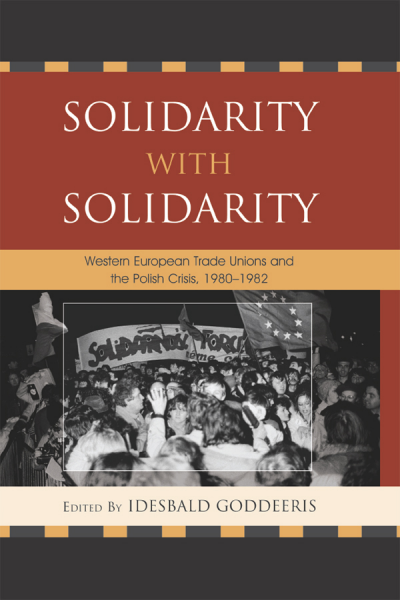
Solidarity with Solidarity
Western European Trade Unions and the Polish Crisis, 1980–1982
Editors:
Publisher:
2012
Summary
The Polish crisis in the early 1980s provoked a great deal of reaction in the West. Not only governments, but social movements were also touched by the establishment of the Iindependent Trade Union Solidarnosc in the summer of 1980, the proclamation of martial law in December 1981, and Solidarnosc's underground activity in the subsequent years. In many countries, campaigns were set up in order to spread information, raise funds, and provide the Polish opposition with humanitarian relief and technical assistance. Labor movements especially stepped into the limelight. A number of Western European unions were concerned about the new international tension following the Soviet invasion of Afghanistan and the new hard-line policy of the US and saw Solidarnosc as a political instrument of clerical and neo-conservative cold warriors. This book analyzes reaction to Solidarnosc in nine Western European countries and within the international trade union confederations. It argues that Western solidarity with Solidarnosc was highly determined by its instrumental value within the national context. Trade unions openly sided with Solidarnosc when they had an interest in doing so, namely when Solidarnosc could strengthen their own program or position. But this book also reveals that reaction in allegedly reluctant countries was massive, albeit discreet, pragmatic, and humanitarian, rather than vocal, emotional, and political.
Keywords
Search publication
Bibliographic data
Edition
1/2012
Copyright Year
2012
ISBN-Print
978-0-7391-5070-2
ISBN-Online
978-0-7391-5072-6
Publisher
Lexington, Lanham
Language
English
Pages
307
Product Type
Edited Book
Table of contents
ChapterPages
Table of Contents No access
Abbreviations No access
Chapter 1: Introduction: Solidarity, Ideology, Instrumentality, and Other Issues No access Pages 1 - 18
Chapter 2: Sweden: Focus on Fundamental Trade Union Rights No access Pages 19 - 50
Chapter 3: Spain: The Common Experience of Transition and a Military Coup No access Pages 51 - 74
Chapter 4: Italy: Diversity within United Solidarity No access Pages 75 - 100
Chapter 5: The ICFTU and the WCL: The International Coordination of Solidarity No access Pages 101 - 128
Chapter 6: Great Britain: Between Avoiding Cold War and Supporting Free Trade Unionism No access Pages 129 - 158
Chapter 7: The FRG: Humanitarian Support without Big Publicity No access Pages 159 - 190