, to see if you have full access to this publication.
Edited Book No access
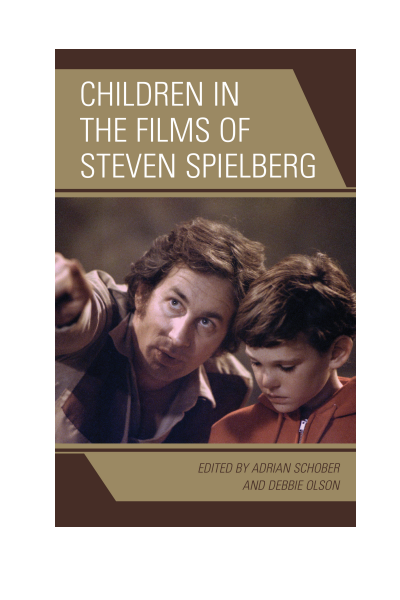
Children in the Films of Steven Spielberg
Editors:
|
Publisher:
2016
Summary
To say that children matter in Steven Spielberg's films is an understatement. Think of the possessed Stevie in Something Evil (TV), Baby Langston in The Sugarland Express, the alien-abducted Barry in Close Encounters,Elliott and his unearthly alter-ego in E.T, the war-damaged Jim in Empire of the Sun, the little girl in the red coat in Schindler’s List, the mecha child in A.I., the kidnapped boy in Minority Report, and the eponymous boy hero of The Adventures of Tintin. (There are many other instances across his oeuvre). Contradicting his reputation as a purveyor of ‘popcorn’ entertainment, Spielberg’s vision of children/childhood is complex. Discerning critics have begun to note its darker underpinnings, increasingly fraught with tensions, conflicts and anxieties. But, while childhood is Spielberg’s principal source of inspiration, the topic has never been the focus of a dedicated collection of essays. The essays in Children in the Films of Steven Spielberg therefore seek to address childhood in the full spectrum of Spielberg’s cinema. Fittingly, the scholars represented here draw on a range of theoretical frameworks and disciplines—cinema studies, literary studies, audience reception, critical race theory, psychoanalysis, sociology, and more. This is an important book for not only scholars but teachers and students of Spielberg's work, and for any serious fan of the director and his career.
Keywords
Search publication
Bibliographic data
Edition
1/2016
Copyright Year
2016
ISBN-Print
978-1-4985-1884-0
ISBN-Online
978-1-4985-1885-7
Publisher
Lexington, Lanham
Language
English
Pages
284
Product Type
Edited Book
Table of contents
ChapterPages
Contents No access
Illustrations No access
List of Tables and Figures No access
Introduction No access Pages 1 - 18
Chapter One: Spielberg and the Kidult No access Pages 19 - 44
Chapter Two: Unconditional Love, Hysterical Motherhood, and the Lost/Possessed Child No access Pages 45 - 70
Chapter Three: Ambiguous Loss No access Pages 71 - 90
Chapter Four: “I’ll be right here!” Dealing with Emotional Trauma in and through E.T. The Extra-Terrestrial No access Pages 91 - 120
Chapter Five: Children, Innocence, and Agency in the Films of Steven Spielberg No access Pages 121 - 140
Chapter Six: Childhood, Race, and the Politics of Dirt in Steven Spielberg’s The Color Purple No access Pages 141 - 160
Chapter Seven: Betwixt-and-Between No access Pages 161 - 182
Chapter Eight: Hooked on Happy Thoughts No access Pages 183 - 206
Chapter Nine: Bipolar Boys No access Pages 207 - 230