, to see if you have full access to this publication.
Monograph No access
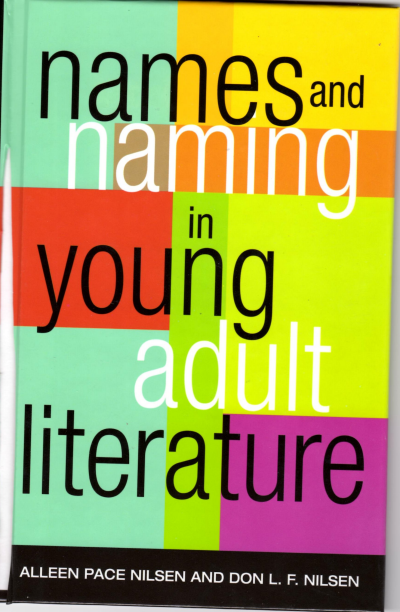
Names and Naming in Young Adult Literature
Authors:
|
Publisher:
2007
Summary
This book shows how authors of young adult literature use the creation of names for people, places, events, inventions, animals, and imaginary concepts as one of their most important literary techniques. Chapters address how authors use names to stretch readers' emotions, to reveal ethnic values and differences, to create 'other worlds,' and to establish tone. Other chapters focus on how authors use names to help readers remember who is who, such as J. K. Rowling in the Harry Potter books, or to communicate separate messages to adults and to young readers, as exemplified by Richard Handler in the Lemony Snicket books. Names and Naming in Young Adult Literature equips readers with the interest and the skill to make similar observations about names and naming when they read other books. Looking at the names an author has chosen to use is a wonderful first step in introducing readers to the concept of literary criticism as something to help readers get more pleasure and information from their reading. Public and school librarians, college instructors of young adult literature, teachers of creative writing, high school English teachers, and anyone else who is interested in young adult literature will find this book extremely interesting.
Search publication
Bibliographic data
Edition
1/2007
Copyright Year
2007
ISBN-Print
978-0-8108-5808-4
ISBN-Online
978-0-8108-6685-0
Publisher
Rowman & Littlefield, Lanham
Language
English
Pages
174
Product Type
Monograph
Table of contents
ChapterPages
Contents No access
Introduction Names and Naming in Young Adult Literature No access
Chapter 1 Names for Fun: M. E. Kerr, Gary Paulsen, Louis Sachar, and Polly Horvath No access Pages 1 - 22
Chapter 2 Names to Establish Tone and Mode: Robert Cormier and Francesca Lia Block No access Pages 23 - 46
Chapter 3 Names to Establish Time Periods: Karen Cushman and Her Historical Fiction No access Pages 47 - 64
Chapter 4 Names to Establish Realistic Settings: Gary Soto, Adam Rapp, Meg Rosoff, and Nancy Farmer No access Pages 65 - 82
Chapter 5 Names to Establish Imagined Settings: Yann Martel, Orson Scott Card, and Ursula K. Le Guin No access Pages 83 - 102
Chapter 6 Names to Reveal Ethnic Values: Amy Tan, Sandra Cisneros, Maya Angelou, Cynthia Kadohata, Sherman Alexie, and Others No access Pages 103 - 122
Chapter 7 Names to Build a Dual Audience: Daniel Handler and the Lemony Snicket Books No access Pages 123 - 140
Chapter 8 Names as Memory Hooks: J. K. Rowling and the Harry Potter Books No access Pages 141 - 160