, to see if you have full access to this publication.
Edited Book No access
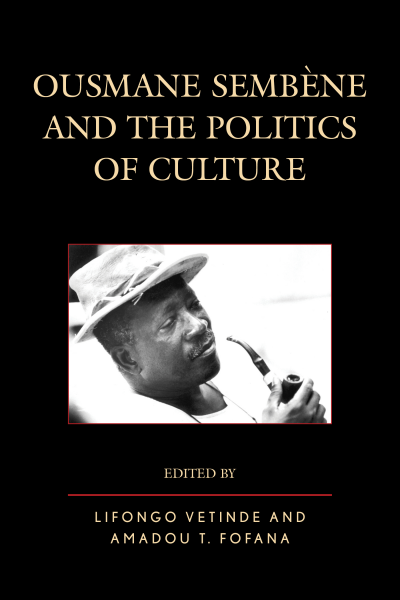
Ousmane Sembene and the Politics of Culture
Editors:
|
Publisher:
2014
Summary
Undoubtedly one of Africa’s most influential first generation of writers and filmmakers, Ousmane Sembene's creative works of fiction as well as his films have been the subject of a considerable number of scholarly articles. The schemas of reading applied to Sembene's oeuvre (novels, short stories and films) have, in the main, focused either on his militant posture against colonialism, his disenchantment with African leadership, or his infatuation with documenting the past in an attempt to present a balanced and nuanced view of African history. While these studies, unquestionably contribute to a better understanding of his works, they collectively ignore Sembene’s relentless preoccupation with culture in his entire career as a writer and filmmaker. The collection of essays in Sembene and the Politics of Culture sets out to fill that gap as the contributors at once foreground Sembene’s fixation on the centrality of culture in the articulation of the discourse of national consciousness and reevaluate his intellectual and artistic legacy within an overarching framework of African liberation.
The contributors critically reassess the ideological underpinnings of Sembene’s thoughts, his role as one of the foundational pillars of African cultural production, and his relevance in current discourses of nationhood. They do so through a wide variety of interdisciplinary approaches that draw on linguistics, feminist theory, film theory, historiography, Marxist criticism, psychoanalysis and a host of other approaches that give novel insights in the critical analysis of the works under study. In the part entitled “Testimonies," a collection of conversations with people who worked closely with Sembene, each of the interlocutors provide illuminating insights into the man's life and work. The variety of themes and critical approaches in this critical anthology will certainly be of interest not only to students and scholars of African literature and cinema at various levels of intellectual and cultural sophistication but also anyone interested in the analysis of the nexus between power, culture, and the discourse of liberation.
Keywords
Search publication
Bibliographic data
Edition
1/2014
Copyright Year
2014
ISBN-Print
978-0-7391-9254-2
ISBN-Online
978-0-7391-9255-9
Publisher
Lexington, Lanham
Language
English
Pages
179
Product Type
Edited Book
Table of contents
ChapterPages
Contents No access
Acknowledgments No access
Introduction No access
Chapter One: Culture, Development, and the African Renaissance No access
Chapter Two: Ousmane Sembène and the Aesthetics of Négritude No access
Chapter Three: Islam and the Question of Identity in Ousmane Sembène’s Film Ceddo No access
Chapter Four: A Twice-Told Tale No access
Chapter Five: Bringing the Rain Indoors No access
Chapter Six: Women in Sembène’s Films No access
Chapter Seven: Why Does Diouana Die? No access
Chapter Eight: Language, Racial Difference, and Dialogic Consciousness No access
Chapter Nine: An Onomastic Reading of Ousmane Sembène’s Faat Kiné No access
Chapter Ten: Trans-Formal Aesthetics and Cultural Impact on Ousmane Sembène’s Explication of Xala No access
Appendix No access Pages 159 - 172
Index No access Pages 173 - 176
Notes on the Contributors and Editors No access Pages 177 - 179