, to see if you have full access to this publication.
Monograph No access
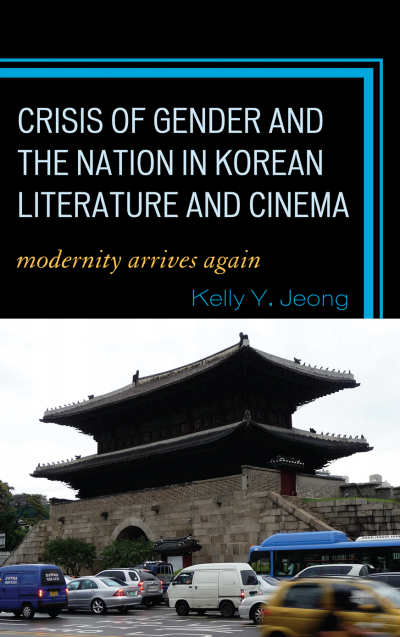
Crisis of Gender and the Nation in Korean Literature and Cinema
Modernity Arrives Again
Authors:
Publisher:
2010
Summary
Crisis of Gender and the Nation in Korean Literature and Cinema is about the changing constructs of modernity, masculinity, and gender relations and discourses in Korean literature and cinema during the crucial decades of the colonial and postcolonial era, based on close historical examination and a wide-ranging theoretical foundation that look at both western and Korean language sources. It examines Korean literary and cinematic texts from the period that spans from the1920s to the 1960s to reveal the ways in which many arrivals of modernity in Korea_through the traumatic pathways and contexts of colonialism, nation building, war, and industrialization_destabilize and set in flux the notions of gender, class, and nationhood. It probes into some of the most significant aspects of Korean culture in the earlier part of the twentieth century through an interdisciplinary inquiry that deploys methods and seminal texts from the fields of Korean Studies, Comparative Literature, Postcolonial Studies, and Film Studies. Each chapter is an exploration of a decade, organized around questions about modernity, gender, class, and the nation that are central to understanding the selected texts and their contexts. The nation of Korea has been under threat since the Japanese colonial period (1910-1945). Crisis of Gender and the Nation critically analyzes the cultural responses of the nation and its gendered subjects in crisis, represented in a selection of Korean literary and cinematic texts from the colonial period, beginning in the 1920s, to the postcolonial period, up to the 1960s, through the lens of both Western and Korean discourses of gender and postcolonial inquiries of literature and film. It delineate the connection between the construction of the nation as a unified, sovereign entity and the ideal of the new Korean masculinity, to show how Korea's Confucian patriarchal tradition and its hold on the national imagination endures over the turbulent decades under examination, by adapting to the new surroundings and social mores, even while its core assumptions and values remain unchanged in significant ways.
Search publication
Bibliographic data
Edition
1/2010
Copyright Year
2010
ISBN-Print
978-0-7391-2451-2
ISBN-Online
978-0-7391-6439-6
Publisher
Lexington, Lanham
Language
English
Pages
125
Product Type
Monograph
Table of contents
ChapterPages
Contents No access
Acknowledgments No access
Introduction: Paradox, Trauma, and Multiplicity of Modernity No access
1 New Woman, Romance, and Railroads: The Paradox of Colonial Modernity No access Pages 1 - 30
2 Burden of the Past: Confessional Writings in the Space of Decolonization No access Pages 31 - 52
3 Literature of Instability and Despair: Woman and Masculinity in Postwar Fiction No access Pages 53 - 76
4 Nation Rebuilding and Postwar South Korean Cinema: The Coachman and The Stray Bullet No access Pages 77 - 106