, to see if you have full access to this publication.
Monograph No access
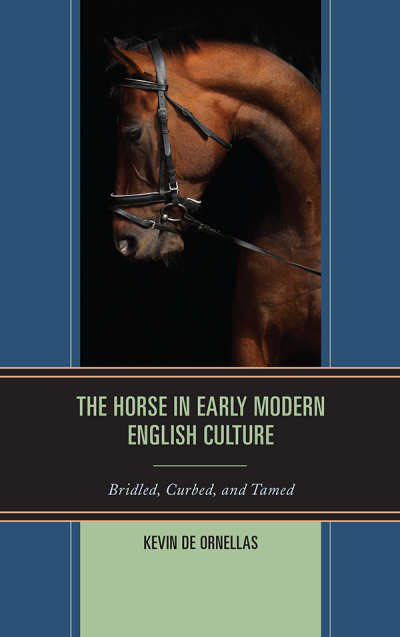
The Horse in Early Modern English Culture
Bridled, Curbed, and Tamed
Authors:
Publisher:
2013
Summary
Kevin De Ornellas argues that in Renaissance England the relationship between horse and rider works as an unambiguous symbol of domination by the strong over the weak. There was little sentimental concern for animal welfare, leading to the routine abuse of the material animal. This unproblematic, practical exploitation of the horse led to the currency of the horse/rider relationship as a trope or symbol of exploitation in the literature of the period. Engaging with fiction, plays, poems, and non-fictional prose works of late Tudor and early Stuart England, De Ornellas demonstrates that the horse—a bridled, unwilling slave—becomes a yardstick against which the oppression of England’s poor, women, increasingly uninfluential clergyman, and deluded gamblers is measured. The status of the bitted, harnessed horse was a low one in early modern England—to be compared to such a beast is a demonstration of inferiority and subjugation. To think anything else is to be naïve about the realities of horse management in the period and is to be naïve about the realities of the exploitation of horses and other mammals in the present-day world.
Keywords
Search publication
Bibliographic data
Edition
1/2013
Copyright Year
2013
ISBN-Print
978-1-61147-658-3
ISBN-Online
978-1-61147-659-0
Publisher
Lexington, Lanham
Language
English
Pages
210
Product Type
Monograph
Table of contents
ChapterPages
Contents No access
Preface and Acknowledgments No access
Introduction No access
Chapter One: “Pricked More with the Spur than the Provender” No access Pages 1 - 42