, to see if you have full access to this publication.
Monograph No access
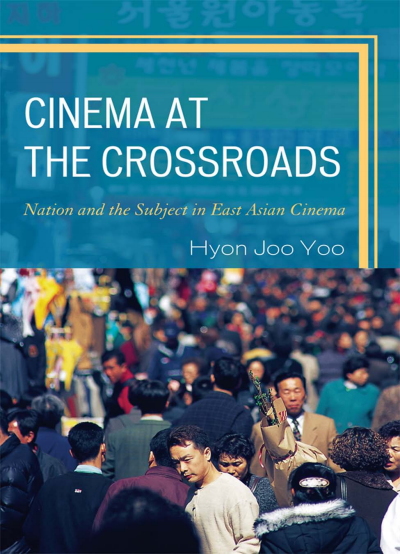
Cinema at the Crossroads
Nation and the Subject in East Asian Cinema
Authors:
Publisher:
2012
Summary
In Cinema at the Crossroads: Nation and the Subject in East Asian Cinema, Hyon Joo Yoo argues that East Asian experiences of colonialism and postcolonialism call for a different conceptualization of postcoloniality, subjectivity, and the nation. Through its analyses of Japanese, Korean, and Taiwanese cinemas, this engaging study of cinema and culture charts the ways in which national cinemas visualize colonial and postcolonial conditions that derive from the history of Japanese colonialism and the post-war alliance between Japan and the United States.
What does it mean to rethink postcolonial studies through East Asian cinema and experience? Yoopursues this question by bringing an East Asian postcolonial framework, the notion of film as a manifestation of national culture, and the methodology of psychoanalysis to bear on a failed hegemonic subject. Cinema at the Crossroads is a profound look into how cinema and national culture intertwine with hegemony and power.
Search publication
Bibliographic data
Edition
1/2012
Copyright Year
2012
ISBN-Print
978-0-7391-6782-3
ISBN-Online
978-0-7391-7535-4
Publisher
Lexington, Lanham
Language
English
Pages
154
Product Type
Monograph
Table of contents
ChapterPages
Table of Contents No access
Acknowledgments No access
Preface No access
Introduction What’s in a Name? Postcolonial East Asia No access Pages 1 - 25
Chapter One The Other Empire: Japan and the Pornographic Imagination of East Asia No access Pages 26 - 54
Chapter Two Can the Subaltern “See”? The Subaltern Vision and Looking Otherwise No access Pages 55 - 84
Chapter Three Transnational Cultural Production and the Politics of Moribund Masculinity No access Pages 85 - 106
Chapter Four When Is It Postcolonial? Time-Space in East Asian National Cinema No access Pages 107 - 138
Epilogue No access Pages 139 - 150
Index No access Pages 151 - 154
Similar publications
from the topics "Medienwissenschaft, Kommunikationsforschung"