, to see if you have full access to this publication.
Monograph No access
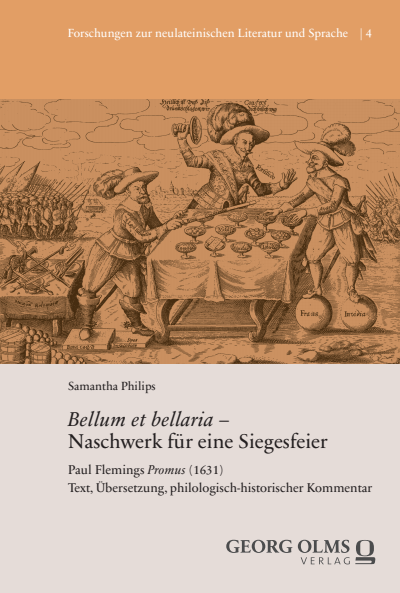
„Bellum et bellaria“ – Naschwerk für eine Siegesfeier
Paul Flemings „Promus" (1631)- Authors:
- Series:
- Forschungen zur neulateinischen Literatur und Sprache, Volume 4
- Publisher:
- 2026
Summary
This scholarly edition of Paul Fleming's
Promus, a collection of 41 neolatin poems from 1631, includes the text, a prose translation, a philological commentary, a detailed historical commentary, and an interpretation of each poem. In addition, there are 20 comparative texts from the immediate historical context, an analysis of the conception of the
Promus, and an overall interpretation. The collection offers a variety of themes and perspectives on the events surrounding the Battle of Breitenfeld, inviting different types of reception.
Keywords
Search publication
Bibliographic data
- Edition
- 1/2026
- Copyright Year
- 2026
- ISBN-Print
- 978-3-487-17181-4
- ISBN-Online
- 978-3-487-17182-1
- Publisher
- Georg Olms Verlag, Baden-Baden
- Series
- Forschungen zur neulateinischen Literatur und Sprache
- Volume
- 4
- Language
- German
- Pages
- 484
- Product Type
- Monograph
Table of contents
ChapterPages
- Vorwort No access
- 1. Historischer Überblick No access
- 2. Zeitleiste No access
- 3. Flemings Situation im Jahr 1631 No access
- 1. Forschungsüberblick No access
- 2. Editorischer Bericht No access
- 3. Zum philologisch-historischen Kommentar No access
- Philologischer Kommentar No access
- Historischer Kommentar No access
- Interpretation No access
- Widmung No access
- Philologischer Kommentar No access
- Historischer Kommentar No access
- Interpretation No access
- 1. Als der Kurfürst von Sachsen über die Verteidigung des Vaterlandes nachdachte. No access
- Philologischer Kommentar No access
- Historischer Kommentar No access
- Interpretation No access
- Vergleichstext No access
- 2. Die Allianz des unbesiegbarsten Königs der Schweden und des sehr mächtigen Kurfürsten von Sachsen. No access
- Philologischer Kommentar No access
- Historischer Kommentar No access
- Interpretation No access
- Vergleichstexte No access
- 3. Auf das vertriebene Heer Tillys. Ode. No access
- Philologischer Kommentar No access
- Historischer Kommentar No access
- Gliederung No access
- Vergleichstext No access
- 4. Die sogenannte Niederlage der Liga No access
- Philologischer Kommentar No access
- Historischer Kommentar No access
- Interpretation No access
- Vergleichstext No access
- 5. Der sehr tapfer kämpfende König No access
- Philologischer Kommentar No access
- Historischer Kommentar No access
- Interpretation No access
- Vergleichstext No access
- 6. Lobgedicht auf Gustav Adolph den christlichsten König der Schweden. Ode No access
- Philologischer Kommentar No access
- Historischer Kommentar No access
- Gliederung No access
- 7. Deutschland No access
- Philologischer Kommentar No access
- Historischer Kommentar No access
- Interpretation No access
- Vergleichstext No access
- 8. Merseburg No access
- Philologischer Kommentar No access
- Historischer Kommentar No access
- Interpretation No access
- 9. Halle an der Saale No access
- Philologischer Kommentar No access
- Historischer Kommentar No access
- Interpretation No access
- Prom. 10 No access
- 10. Magdeburg No access
- Philologischer Kommentar No access
- Historischer Kommentar No access
- Interpretation No access
- Vergleichstext No access
- 11. Von dem übergebenen und zurückerlangten Leipzig No access
- Philologischer Kommentar No access
- Historischer Kommentar No access
- Interpretation No access
- Vergleichstext No access
- 12. An Johann Georg, den Kurfürsten von Sachsen, als die Truppen Tillys aus den Grenzen von Meißen vertrieben wurden. Ode No access
- Philologischer Kommentar No access
- Historischer Kommentar No access
- Gliederung No access
- Vergleichstext No access
- 13. Bei der Ankunft des Kurfürsten in Leipzig No access
- Philologischer Kommentar No access
- Historischer Kommentar No access
- Interpretation No access
- Vergleichstext No access
- 14. Auf den Wahlspruch des Kurfürsten No access
- Philologischer Kommentar No access
- Historischer Kommentar No access
- Interpretation No access
- Vergleichstext No access
- 15. Auf das mit dem Abbild des Königs beschenkte Gold No access
- Philologischer Kommentar No access
- Historischer Kommentar No access
- Interpretation No access
- 16. Auf denselben, der lebensecht abgebildet worden ist No access
- Philologischer Kommentar No access
- Historischer Kommentar No access
- Interpretation No access
- 17. Auf ein Kupferporträt desselben, das ihn bis zum Gürtel zeigt No access
- Philologischer Kommentar No access
- Historischer Kommentar No access
- Interpretation No access
- 18. Unter dem Bild des Kurfürsten No access
- Philologischer Kommentar No access
- Historischer Kommentar No access
- Interpretation No access
- 19. Auf den siegreichsten König No access
- Philologischer Kommentar No access
- Historischer Kommentar No access
- Interpretation No access
- 20. Zur Verhandlung über die Übergabe von Leipzig hatte sich Tilly unter schlimmer Vorbedeutung in das Haus des Totengräbers begeben No access
- Philologischer Kommentar No access
- Historischer Kommentar No access
- Interpretation No access
- Vergleichstext No access
- 21. Auf eine Reihe von auszustellenden Näschereien, die in die Stadt geschickt worden ist No access
- Philologischer Kommentar No access
- Historischer Kommentar No access
- Interpretation No access
- Vergleichstext No access
- 22. Auf die gekreuzten Schwerter, das Wappen des besten Kurfürsten No access
- Philologischer Kommentar No access
- Historischer Kommentar No access
- Interpretation No access
- 23. Auf den höchst ruhmreichen König No access
- Philologischer Kommentar No access
- Historischer Kommentar No access
- Interpretation No access
- 24. Über die gute Kriegsführung des Landgrafen von Hessen No access
- Philologischer Kommentar No access
- Historischer Kommentar No access
- Interpretation No access
- 25. Auf das Abbild des Königs No access
- Philologischer Kommentar No access
- Historischer Kommentar No access
- Interpretation No access
- Vergleichstext No access
- 26. Über die Raute, das Wappen des Kurfürsten No access
- Philologischer Kommentar No access
- Historischer Kommentar No access
- Gliederung No access
- Vergleichstext No access
- 27. Auf die Löwen und die Kronen, das Wappen des Königs No access
- Philologischer Kommentar No access
- Historischer Kommentar No access
- Interpretation No access
- 28. Auf die Insignien des Kurfürsten No access
- Philologischer Kommentar No access
- Historischer Kommentar No access
- Interpretation No access
- 29. Auf die Schwerter tragenden Löwen, das Wappen des Königs und des Kurfürsten No access
- Philologischer Kommentar No access
- Historischer Kommentar No access
- Interpretation No access
- 30. Auf die drei Kronen, das Wappen des Königs No access
- Philologischer Kommentar No access
- Historischer Kommentar No access
- Gliederung No access
- 31. Von der übergebenen Pleißenburg No access
- Philologischer Kommentar No access
- Historischer Kommentar No access
- Interpretation No access
- 32. Über ein Abbild Tillys, das er gesehen hatte No access
- Philologischer Kommentar No access
- Historischer Kommentar No access
- Interpretation No access
- Vergleichstext No access
- 33. An die Niederländer No access
- Philologischer Kommentar No access
- Historischer Kommentar No access
- Interpretation No access
- Vergleichstext No access
- 34. Auf den schwertführenden Löwen, der auf den Waffen steht und die drei Kronen beschützt. Das Wappen des Königs. Ein Gedicht in Hinkjamben No access
- Philologischer Kommentar No access
- Historischer Kommentar No access
- Gliederung No access
- Vergleichstext No access
- 35. Über den Wahlspruch des Königs: Mit Gott und mit siegreichen Waffen No access
- Philologischer Kommentar No access
- Historischer Kommentar No access
- Interpretation No access
- Vergleichstext No access
- 36. Über das eingenommene Erfurt No access
- Philologischer Kommentar No access
- Historischer Kommentar No access
- Interpretation No access
- 37. Über Tilly, den Flüchtling bei Halberstadt, das er von der Belagerung befreit hat No access
- Philologischer Kommentar No access
- Historischer Kommentar No access
- Interpretation No access
- 38. Auf das Bild eines Finnen No access
- Philologischer Kommentar No access
- Historischer Kommentar No access
- Interpretation No access
- 39. Auf das Bild eines Lappländers No access
- Philologischer Kommentar No access
- Historischer Kommentar No access
- Interpretation No access
- Vergleichstext No access
- 40. Auf die Niederlage, die man so in Kupfer prägen muss, wie sie geschehen ist No access
- Philologischer Kommentar No access
- Historischer Kommentar No access
- Interpretation No access
- Vergleichstext No access
- 41. An den Frieden. Für Meißen, als dessen Einwohner, die zum großen Teil von den feindlichen Scharen vertrieben worden waren, nach der Überwindung Tillys alle zu ihrem Besitz zurückkehrten No access
- Philologischer Kommentar No access
- Historischer Kommentar No access
- Interpretation No access
- 1. Bemerkungen zur Makrostruktur No access
- 2. Bemerkungen zur formalen Gestaltung No access
- 3. Bemerkungen zur Gattungszugehörigkeit No access
- 4. Bemerkungen zur inhaltlichen Vielfalt - Die Themen der Sammlung No access
- 5.1.1. Lob persönlicher Eigenschaften, Fähigkeiten oder Taten No access
- 5.1.2. Lob anhand der Beschreibung von bildlichen Darstellungen No access
- 5.1.3. Lob vermittelt über heraldische Elemente No access
- 5.1.4. Lob in Verbindung mit allegorischen Darstellungen und mythologischen Figuren No access
- 5.2.1. Lob persönlicher Eigenschaften, Fähigkeiten oder Taten No access
- 5.2.2. Lob anhand der Beschreibung von bildlichen Darstellungen No access
- 5.2.3. Lob vermittelt über heraldische Elemente No access
- 5.2.4. Lob in Verbindung mit allegorischen Darstellungen und mythologischen Figuren No access
- 5.3 Gegenbild in der Darstellung Tillys und der kaiserlich-ligistischen Soldaten No access
- 6. Bedeutung der Speisemetaphorik für die Gesamtkonzeption der Sammlung No access
- III. Literarisches Umfeld No access Pages 431 - 434
- IV. Abschließende Bemerkungen und Ausblick No access Pages 435 - 438
- 1. Ausgaben des Promus No access
- 2. Nachschlagewerke No access
- 3. Sekundärliteratur No access
- 4. Weitere Textausgaben und Editionen No access
- Abbildung 1 No access
- Abbildung 2 No access
- Abbildung 3 No access
- Abbildung 4 No access
- Abbildung 5 No access
- Abbildung 6 No access
- Abbildung 7 No access
- Abbildung 8 No access
- Abbildung 9 No access
- Seite 1 No access
- Seite 2 No access
- Karte 1 No access
- Karte 2 No access
- Karte 3 No access
- Karte 4 No access
- Karte 5 No access
- Karte 6 No access
- Karte 7 No access
- Karte 8 No access
- Karte 9 No access
- Karte 10 No access
- 3. Glossar No access