, to see if you have full access to this publication.
Monograph No access
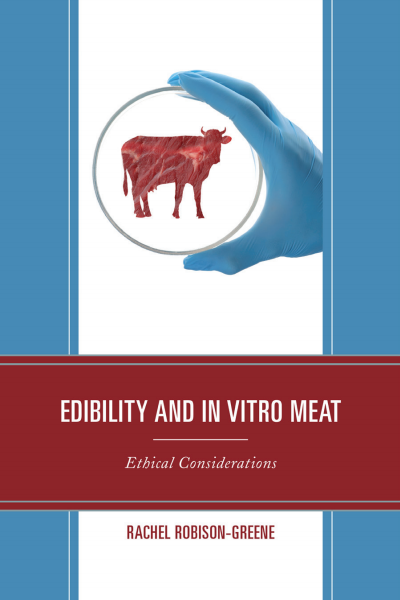
Edibility and in Vitro Meat
Ethical Considerations
Authors:
Publisher:
2022
Summary
Consumers and policy makers have unprecedented choices to make in the years to come about how and what we eat. If we continue down our current path of food production, we risk ever-increasing levels of animal exploitation, environmental destruction, biodiversity loss, and challenges to human health. In vitro meat production, or the process of growing meat in a lab, has the potential to reduce the severity of these problems. This proposal would change our food systems dramatically. Edibility and In Vitro Meat: Ethical Considerations explores the ethical questions that it’s important to ask every stage of this process. Rachel Robison-Greene considers arguments for and against the production of in vitro meat, as well as challenges for implementation. She argues that in vitro meat should be implemented and that we should re-think how we use the term “edible.”
Search publication
Bibliographic data
Edition
1/2022
Copyright Year
2022
ISBN-Print
978-1-7936-1466-7
ISBN-Online
978-1-7936-1467-4
Publisher
Lexington, Lanham
Language
English
Pages
150
Product Type
Monograph
Table of contents
ChapterPages
Contents No access
Acknowledgments No access
In Vitro Meat No access Pages 1 - 10
Can They Suffer? No access Pages 11 - 26
Why Not In Vitro Meat? No access Pages 27 - 42
Subjects of Lives and Inherent Value No access Pages 43 - 60
Non-Ideal Theory and Paradigm Shifts No access Pages 61 - 76
The “Yuck” Factor, Aesthetics, and Cognitive Bias No access Pages 77 - 90
Edibility and Eating Others No access Pages 91 - 108
Beings and Bodies No access Pages 109 - 124
Pandemics, Animal Exploitation, and In Vitro Meat No access Pages 125 - 134