, to see if you have full access to this publication.
Monograph No access
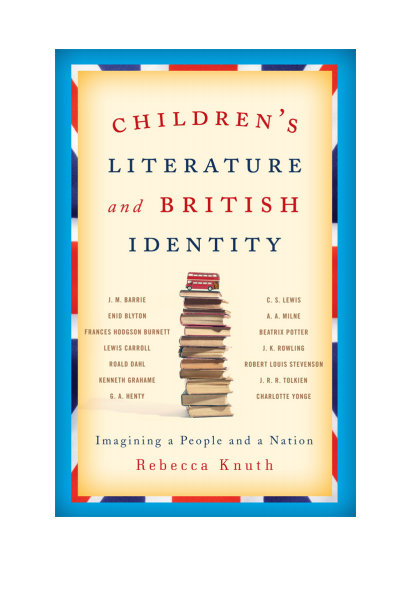
Children's Literature and British Identity
Imagining a People and a Nation
Authors:
Publisher:
2012
Summary
For more than 250 years, English children’s literature has transmitted values to the next generation. The stories convey to children what they should identify with and aspire to, even as notions of “goodness” change over time. Through reading, children absorb an ethos of Englishness that grounds personal identity and underpins national consciousness. Such authors as Lewis Carroll, J. R. R. Tolkien, and J. K. Rowling have entertained, motivated, confronted social wrongs, and transmitted cultural mores in their works—functions previously associated with folklore. Their stories form a new folklore tradition that provides social glue and supports a love of England and English values.
In Children’s Literature and British Identity: Imagining a People and a Nation, Rebecca Knuth follows the development of the genre, focusing on how stories inspire children to adhere to the morals of society. This book examines how this tradition came to fruition, exploring the works of several authors, including:
Robert Baden-Powell
Robert Ballantyne
J. M. Barrie
Enid Blyton
Angela Brazil
Frances Hodgson Burnett
Randolph Caldecott
Lewis Carroll
Roald Dahl
Daniel Defoe
Charles Dickens
Maria Edgeworth
Kenneth Grahame
Kate Greenaway
G. A. Henty
Thomas Hughes
Charles Kingsley
Rudyard Kipling
C.S. Lewis
A. A. Milne
Hannah More
E. Nesbit
John Newbery
George Orwell
Beatrix Potter
Arthur Ransome
Frank Richards
J. K. Rowling
Anna Sewell
Robert Louis Stevenson
J. R. R. Tolkien
P. L. Travers
Sarah Trimmer
Charlotte Yonge
Evaluating the connection between children’s literature and the dissemination and formation of identity, this book will appeal to both general readers and academics who are interested in librarianship, English culture, and children’s literature.
Search publication
Bibliographic data
Edition
1/2012
Copyright Year
2012
ISBN-Print
978-0-8108-8516-5
ISBN-Online
978-0-8108-8517-2
Publisher
Rowman & Littlefield, Lanham
Language
English
Pages
209
Product Type
Monograph
Table of contents
ChapterPages
Contents No access
Preface No access
Chapter One: Introduction No access Pages 1 - 14
Chapter Two: Creating “Good” Children No access Pages 15 - 30
Chapter Three: Socialization: Loyalty, Duty, and Self-Sacrifice No access Pages 31 - 48
Chapter Four: Creating Manliness and the Boy Hero No access Pages 49 - 72
Chapter Five: Romanticizing Childhood and England No access Pages 73 - 94
Chapter Six: Being Playful and Emotionally Alive No access Pages 95 - 114
Chapter Seven: Small Adventures and Happiness No access Pages 115 - 138
Chapter Eight: Autonomy and Affirmation No access Pages 139 - 158
Chapter Nine: Into the Story-Pot: Harry and Heroism No access Pages 159 - 176
Chapter Ten: A Modern English Folklore No access Pages 177 - 192