, to see if you have full access to this publication.
Edited Book No access
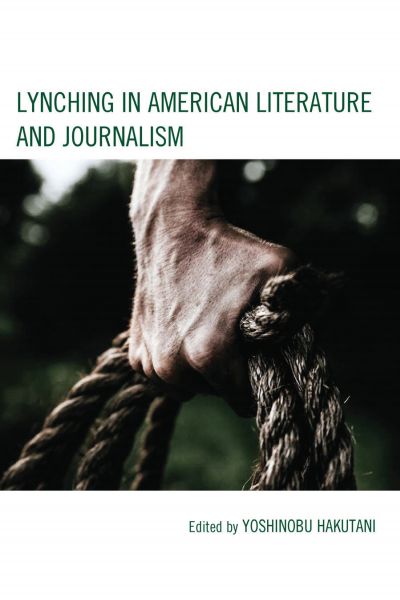
Lynching in American Literature and Journalism
Editors:
Publisher:
2022
Summary
Lynching in American Literature and Journalism consists of twelve essays investigating the history and development of writing about lynching as an American tragedy and the ugliest element of national character. According to the Tuskegee Institute, 4,743 people were lynched between 1882 and 1968 in the United States, including 3,446 African Americans and 1,297 European Americans. More than 73 percent of the lynchings in the Civil War period occurred in the Southern states. The Lynchings increased dramatically in the aftermath of the Reconstruction, after slavery had been abolished and free men gained the right to vote. The peak of lynching occurred in 1882, after Southern white Democrats had regained control of the state legislators. This book is a collection of historical and critical discussions of lynching in America that reflects the shameful, unmoral policies, and explores the topic of lynching within American history, literature, and journalism.
Keywords
Search publication
Bibliographic data
Edition
1/2022
Copyright Year
2022
ISBN-Print
978-1-6669-0907-4
ISBN-Online
978-1-6669-0908-1
Publisher
Lexington, Lanham
Language
English
Pages
192
Product Type
Edited Book
Table of contents
ChapterPages
Contents No access
Acknowledgments No access
Introduction No access Pages 1 - 4
The “Girl Reporter” Confronts the Lynch Mob No access Pages 5 - 20
Theodore Dreiser’s “Nigger Jeff” No access Pages 21 - 30
Theodore Dreiser’s “Nigger Jeff,” Richard Wright’s “Big Boy Leaves Home,” and Lynching No access Pages 31 - 46
Lynching as an American Tragedy in Theodore Dreiser’s Literary Works No access Pages 47 - 60
Faulkner on Lynching No access Pages 61 - 72
Lynching in Richard Wright’s “Big Boy Leaves Home” No access Pages 73 - 90
Lynching in Modern American Short Stories and Sexual Crime in Classic Myth No access Pages 91 - 102
The Southern Ritual of Lynching in Faulkner’s Light in August and Ellison’s Three Days before the Shooting No access Pages 103 - 112
The Electric Execution of Bigger Thomas in Wright’s Native Son No access Pages 113 - 136
Lynching as Surrealism No access Pages 137 - 150
Lynching in African-American Poetry No access Pages 151 - 166
Depictions of Racial Violence in the Work of Paul Laurence Dunbar No access Pages 167 - 180