, to see if you have full access to this publication.
Monograph No access
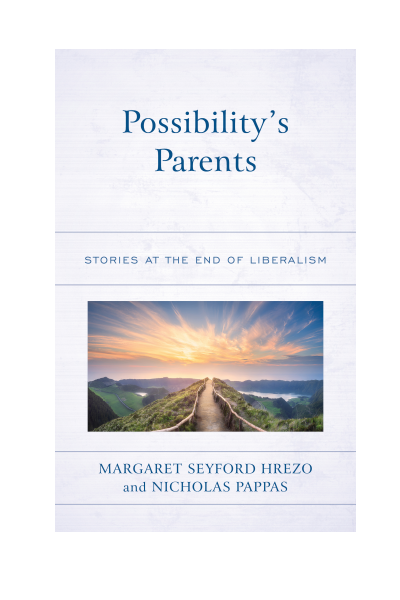
Possibility's Parents
Stories at the End of Liberalism
Authors:
|
Publisher:
2019
Summary
This book links the questions people ask about why things exist, why the world is the way it is, and whether and how it is possible to change their society or world with the societal myths they develop and teach to answer those questions and organize and bring order to their communal lives. It also is about the need for change in western societies’ current organizing concept, classical (Lockean) liberalism. Despite the attempts of numerous insightful political thinkers, the myth of classical liberalism has developed so many cracks that it cannot be put back together again. If not entirely failed, it is at this point unsalvageable in its present form. Never the thought of just one person, the liberal model of individual religious, political, and economic freedom developed over hundreds of years starting with Martin Luther’s dictum that every man should be his own priest. Although, classical liberalism means different things to different people, at its most basic level, this model sees human beings as individuals who exist prior to government and have rights over government and the social good. That is, the individual right always trumps the moral and social good and individuals have few obligations to one another unless they actively choose to undertake them. Possibility’s Parents argues that Lockean liberalism has reached the end of its logic in ways that make it unable to handle the western world’s most pressing problems and that novelists whose writing includes the form and texture of myth have important insights to offer on the way forward.
Keywords
Search publication
Bibliographic data
Edition
1/2019
Copyright Year
2019
ISBN-Print
978-1-4985-9882-8
ISBN-Online
978-1-4985-9883-5
Publisher
Lexington, Lanham
Language
English
Pages
159
Product Type
Monograph
Table of contents
ChapterPages
Contents No access
Preface No access
Chapter One: Did You Ever Wonder What the World Would Be Like Without You in It?: An Introduction No access Pages 1 - 18
Chapter Two: Have You Ever Noticed That There Are Stories within Stories within Stories? No access Pages 19 - 38
Chapter Three: Do You Believe in God? No access Pages 39 - 60
Chapter Four: Do You Believe in Magic? No access Pages 61 - 82
Chapter Five: Do You Believe in Dragons? No access Pages 83 - 106
Chapter Six: Why Can’t People Accept Each Other? No access Pages 107 - 128
Chapter Seven: What Can I Do? No access Pages 129 - 134