, to see if you have full access to this publication.
Edited Book No access
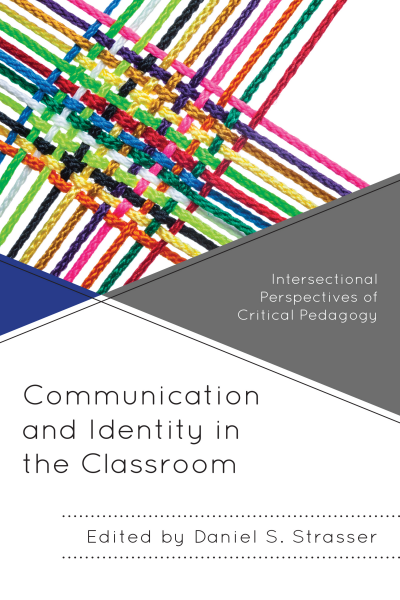
Communication and Identity in the Classroom
Intersectional Perspectives of Critical Pedagogy
Editors:
Publisher:
2020
Summary
This collection, edited by Daniel S. Strasser, was unearthed from the demand for more inclusive and expansive dialogues on intersectional identities, ethnicity, neuro-diversity, physical ability, religion, sexual orientation, class, and gender performance in academia. The autoethnographic and narrative accounts within Communication and Identity in the Classroom: Intersectional Perspectives of Critical Pedagogy offer personal, experiential perspectives on the power of identity to influence educators in classroom and mentoring spaces. The multiple perspectives offered here promote dialogue about how personal experience provides the ground upon which we build more dynamic relationships and communities. The contributors’ experiences offer examples for a more expansive understanding of privilege, oppression, and identity. These seeds for conversation nourish discourses that build new communicative bridges between educators and students as we prepare to face the next interaction, class, and challenges and opportunity for resilience. This collection invites educators to be critical of their bodies, of their politics, of their intersecting identities, and acknowledge in words and actions that our bodies are political. Throughout this collection the contributors expand upon theories and methods of critical communication scholarship, radical love, and intersectionality using their embodied pedagogical experiences to ground the scholarship.
Keywords
Search publication
Bibliographic data
Edition
1/2020
Copyright Year
2020
ISBN-Print
978-1-7936-1805-4
ISBN-Online
978-1-7936-1806-1
Publisher
Lexington, Lanham
Language
English
Pages
210
Product Type
Edited Book
Table of contents
ChapterPages
Contents No access
References No access
Introduction No access Pages 1 - 12
Chapter 1 Finding Space and Place within the Ivory Tower No access
Chapter 2 You Are Not My Child, I Am Not Your Parent No access
Chapter 3 Empath(olog)ic Pedagogy No access
Chapter 4 “Bad Hombre” in the Classroom No access
Chapter 5 What Difference Does It Make? No access
Chapter 6 Teaching While Vulnerable No access
Chapter 7 Queer-Femme-Pedagogy No access
Chapter 8 Pedagogy, Passing, Privilege No access
Chapter 9 Sawubona—We See, Value, and Respect You No access
Chapter 10 Family Stories, Pedagogy, Inclusive Practices, and Autohistoria No access
Chapter 11 Unmasking the Hegemony of English No access
Chapter 12 Managing Mental Health in the Classroom No access
Chapter 13 Navigating Intercultural Identities at a Crossroads of Mindfulness and Instruction No access