, to see if you have full access to this publication.
Monograph No access
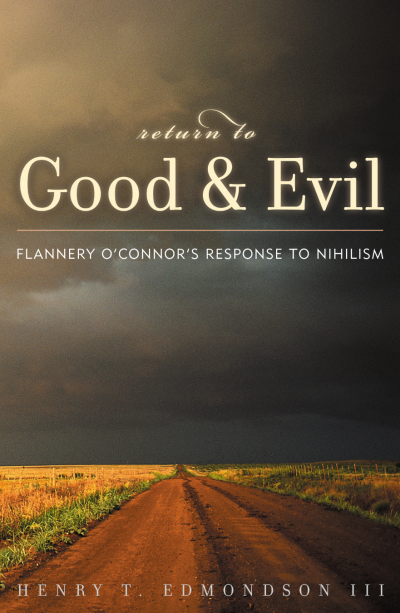
Return to Good and Evil
Flannery O'Connor's Response to Nihilism
Authors:
Publisher:
2002
Summary
While Flannery O'Connor is hailed as one of the most important writers of the twentieth-century American south, few appreciate O'Connor as a philosopher as well. In Return to Good and Evil, Henry T. Edmondson introduces us to a remarkable thinker who uses fiction to confront and provoke us with the most troubling moral questions of modern existence. 'Right now the whole world seems to be going through a dark night of the soul,' O'Connor once said, in response to the nihilistic tendencies she saw in the world around her. Nihilism—Nietzche's idea that 'God is dead'—preoccupied O'Connor, and she used her fiction to draw a tableau of human civilization on the brink of a catastrophic moral, philosophical, and religious crisis. Again and again, O'Connor suggests that the only way back from this precipice is to recognize the human need for grace, redemption, and God. She argues brilliantly and persuasively through her novels and short stories that the Nietzschean challenge to the notions of good and evil is an ill-conceived effort that will result only in disaster. With rare access to O'Connor's correspondence, prose drafts, and other personal writings, Edmondson investigates O'Connor's deepest motivations through more than just her fiction and illuminates the philosophical and theological influences on her life and work. Edmondson argues that O'Connor's artistic brilliance and philosophical genius reveal the only possible response to the nihilistic despair of the modern world: a return to good and evil through humility and grace.
Search publication
Bibliographic data
Edition
1/2002
Copyright Year
2002
ISBN-Print
978-0-7391-0421-7
ISBN-Online
978-0-7391-6033-6
Publisher
Lexington, Lanham
Language
English
Pages
203
Product Type
Monograph
Table of contents
ChapterPages
Contents No access
Foreword No access
Preface No access
Acknowledgments No access
Abbreviations No access
1 Faith, Philosophy, and Fiction No access Pages 1 - 18
2 O'Connor contra Nihilism No access Pages 19 - 34
3 Modern Man as Malgre Lui in Wise Blood No access Pages 35 - 54
4 Wise Blood and the Difficult Return to God No access Pages 55 - 72
5 "Good Country People" and the Seduction of Nihilism No access Pages 73 - 90
6 The Nature of Evil in "The Lame Shall Enter First" No access Pages 91 - 106
7 Social Change in "The Enduring Chill" No access Pages 107 - 126
8 Modernity versus Mystery in "A View of the Woods" No access Pages 127 - 144
9 Redemption and the Ennoblement of Suffering in "The Artificial Nigger" No access Pages 145 - 164
10 Grace, the Devil, and the Prophet No access Pages 165 - 180