, to see if you have full access to this publication.
Monograph No access
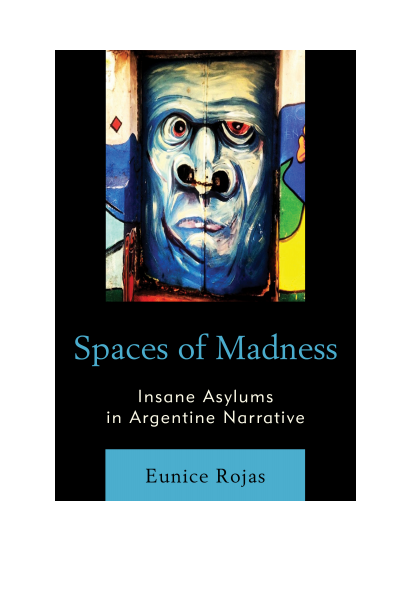
Spaces of Madness
Insane Asylums in Argentine Narrative
Authors:
Publisher:
2014
Summary
Spaces of Madness examines the role of the insane asylum in Argentine prose works published between 1889 and 2011. From a place of existential exile at the turn of the twentieth century to a symbolic representation of Argentine society during and immediately subsequent to the Dirty War, the figure of the asylum in Argentine literature has evolved along with the institution itself. The authors studied in Spaces of Madness include Manuel T. Podestá, Roberto Arlt, Leopoldo Marechal, Julio Cortázar, Adolfo Bioy Casares, Juan José Saer, Abelardo Castillo, Ricardo Piglia, and Luisa Valenzuela.
Keywords
Search publication
Bibliographic data
Edition
1/2014
Copyright Year
2014
ISBN-Print
978-0-7391-9086-9
ISBN-Online
978-0-7391-9087-6
Publisher
Lexington, Lanham
Language
English
Pages
221
Product Type
Monograph
Table of contents
ChapterPages
Contents No access
Acknowledgments No access
Introduction No access Pages 1 - 20
1 Early Asylums: Manuel Podestá, Horacio Quiroga, and Roberto Arlt No access Pages 21 - 40
2 The Asylum in the Works of Julio Cortázar and Adolfo Bioy Casares No access Pages 41 - 64
3 The Schizophrenic Machine in Ricardo Piglia’s Asylum No access Pages 65 - 94
4 Luisa Valenzuela’s Passage through the Asylum No access Pages 95 - 130
5 Juan José Saer’s Committed Detective No access Pages 131 - 160
6 The Asylum as Juan José Saer’s Argentine Founding Myth No access Pages 161 - 178
7 The Poet as Patient: The Literary Life of Jacobo Fijman No access Pages 179 - 200