, to see if you have full access to this publication.
Monograph No access
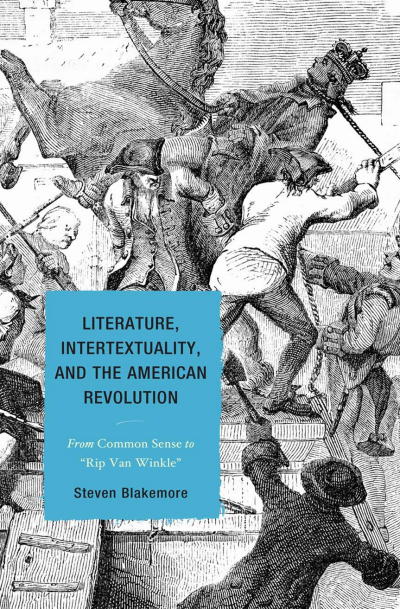
Literature, Intertextuality, and the American Revolution
From Common Sense to Rip Van Winkle
Authors:
Publisher:
2012
Summary
Dealing with Thomas Paine's Common Sense (1776), John Trumbull's M'Fingal (1776-82), Philip Freneau's "The British-Prison Ship" (1781), J. Hector St. John de Crèvecoeur's Letters from an American Farmer (1782), and Washington Irving's "Rip Van Winkle" (1819-20), Steven Blakemore breaks new ground in assessing the strategies of subversion and intertextuality used during the American Revolution. Blakemore also crystallizes the historical contexts that link these works together – contexts that have been missed or overlooked by critics and scholars. The five works additionally illuminate issues of history (The Norman Conquest, the English Civil War, and the French Revolution) and gender as they impinge on American-revolutionary discourse. The result is five new readings of significant revolutionary-era works that suggest fruitful entries into other literatures of the Revolution. Blakemore demonstrates the nexus between literature and history in the revolutionary era and how it created an intertextual dialogue in the formation of the first postcolonial critiques of the British Empire.
Search publication
Bibliographic data
Edition
1/2012
Copyright Year
2012
ISBN-Print
978-1-61147-572-2
ISBN-Online
978-1-61147-573-9
Publisher
Lexington, Lanham
Language
English
Pages
142
Product Type
Monograph
Table of contents
ChapterPages
Contents No access
Acknowledgment No access
Introduction No access
1 Demystifying Metaphors: Paine's Critique of British Origins and the Language of Empire No access Pages 1 - 26
2 The World Turned Upside Down: Scottish "Second-Sight" and Ironic Inversion in John Trumbull's M'Fingal No access Pages 27 - 44
Postscript: Allusive Appropriation and the Emigration of Virtue in M'Fingal No access Pages 45 - 50
3 Allegory, Androgyny, and Gender in Freneau's "The British Prison Ship" No access Pages 51 - 68
4 Crèvecoeur and the Subversion of the American Revolution No access Pages 69 - 106
5 Family Resemblances: The Texts and Contexts of "Rip Van Winkle" No access Pages 107 - 130