, to see if you have full access to this publication.
Monograph Partial access
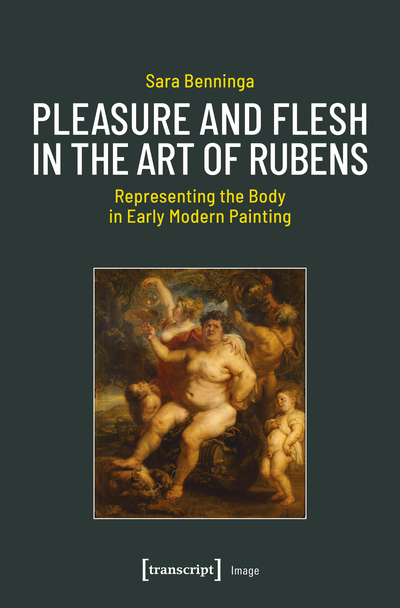
Pleasure and Flesh in the Art of Rubens
Representing the Body in Early Modern Painting- Authors:
- Series:
- Image, Volume 268
- Publisher:
- 2026
Summary
Peter Paul Rubens created a new kind of fleshy body, turning folds and fat from signs of sin into vivid emblems of nature, nourishment, and joy. Moving from Bacchic revels, through intimate portraits of his wives and children, to the Allegory of Peace, Sara Benninga shows how Rubens shifts attention from early modern anxieties about illicit excess to a realm of licit pleasures where wine, marriage, family and civic concord are deeply intertwined. The study offers art and cultural historians as well as readers interested in the depiction of the body and emotions in art history new insights into Rubens’s paintings, and an original understanding of how his early modern images made pleasure visible and reshaped the painted body.
Keywords
Search publication
Bibliographic data
- Edition
- 1/2026
- Copyright Year
- 2026
- ISBN-Print
- 978-3-8376-8216-8
- ISBN-Online
- 978-3-8394-7804-2
- Publisher
- transcript, Bielefeld
- Series
- Image
- Volume
- 268
- Language
- English
- Pages
- 247
- Product Type
- Monograph
Table of contents
ChapterPages
- Frontmatter Full access Pages 1 - 8 Download chapter (PDF)
- Preface Full access Pages 9 - 10 Download chapter (PDF)
- Introduction No access Pages 11 - 15
- Chapter 1: Rubens’s Bacchic paintings. Flesh and pleasure in context No access Pages 17 - 114
- Chapter 2: Marital love as a “licit pleasure.” Private pleasures in Rubens’s portraiture No access Pages 115 - 159
- Chapter 3: An allegory of peace. Pleasure and well‐being in Rubens’s political philosophy No access Pages 161 - 212
- Conclusions No access Pages 213 - 217
- List of Illustrations No access Pages 219 - 223
- Acknowledgments No access Pages 225 - 226
- Bibliography No access Pages 227 - 246