, to see if you have full access to this publication.
Edited Book No access
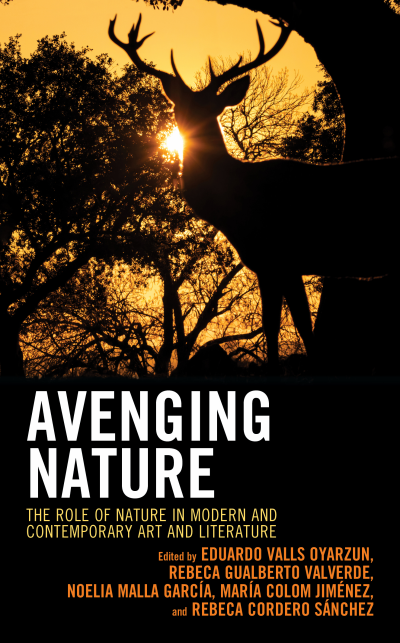
Avenging Nature
The Role of Nature in Modern and Contemporary Art and Literature
Editors:
| | | |
Publisher:
2020
Summary
“Nature, thou art my goddess”—Edmund’s bold assertion in King Lear could easily inspire and, at the same time, function as a lamentation of the inadequate respect of nature in culture. In this volume, international experts provide multidisciplinary exploration of the insubordinate representations of nature in modern and contemporary literature and art. The work foregrounds the need to reassess how nature is already, and has been for a while, striking back against human domination. From the perspective of literary studies, art, history, media studies, ethics and philosophy, and ethnology and anthropology, Avenging Nature highlights the need of assessing insurgent discourses that—converging with counter-discourses of race, gender or class—realize the empowerment of nature from its subaltern position. Acknowledging the argument that cultural representations of nature establish a relationship of domination and exploitation of human discourse over nonhuman reality and that, in consequence, our regard for nature as humanist critics is instrumental and anthropocentric, the present volume advocates for the view that the time has come to finally perceive nature’s vengeance and to critically probe into nature’s ongoing revenge against the exploitation of culture.
Keywords
Search publication
Bibliographic data
Edition
1/2020
Copyright Year
2020
ISBN-Print
978-1-7936-2144-3
ISBN-Online
978-1-7936-2145-0
Publisher
Lexington, Lanham
Language
English
Pages
251
Product Type
Edited Book
Table of contents
ChapterPages
Contents No access
Introduction No access Pages 1 - 6
1 Bringing Culture Back to Nature No access
2 “Have You Seen the Snow Leopard?” No access
3 “With One Arm I Supported Her: The Other Arm Was the Executioner’s” No access
4 “We Were Neither What We Had Been nor What We Would Become” No access
5 Santiago Rusiñol’s Abandoned Gardens No access
6 Welcoming Cosmos No access
7 A Few Sockeyes and Dying Embers in What Is Left of the Forest No access
8 The Last Epigram No access
9 A Poetic Correspondence on Ecology and the More–than–Human World No access
10 Wonders and Threats of Symbiotic Relationships in the Anthropocene No access
11 Demonizing Nature No access
12 Accepting the X No access
13 Ecocritical Archaeologies of Global Ecocide in Twentieth-First-Century Post-Apocalyptic Films No access
14 Biohazard, Eco-Terror, and the Rise of Posthuman Dystopia No access
15 Another Inconvenient Truth No access
16 De-Evolution, Dystopia, and Apocalypse in American Postmodern Speculative Fiction No access