, to see if you have full access to this publication.
Monograph No access
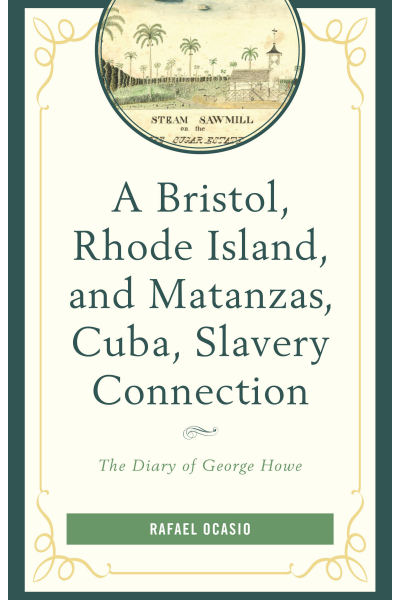
A Bristol, Rhode Island, and Matanzas, Cuba, Slavery Connection
The Diary of George Howe
Authors:
Publisher:
2019
Summary
In the early 19th century, Cuba emerged as the world’s largest producer of sugar and the United States its most important buyer. Barely documented today, there was a close commercial relationship between Cuba and the Rhode Island coastal town of Bristol. The citizens of Bristol were heavily involved in the slavery trade and owned sugarcane plantations in Cuba and also served as staff workers at these facilities.
Available in print for the first time is a diary that sheds light on this connection. Mr. George Howe, Esquire (1791–1837), documented his tasks at a Bristolian-owned plantation called New Hope, which was owned by well-known Bristol merchant, slave trader, and US senator James DeWolf (1764–1837). Howe expressed mixed personal feelings about local slavery work practices. He felt lucky to be employed and was determined to do his job well, in spite of the harsh conditions operating at New Hope, but he also struggled with his personal feelings regarding slavery. Though an oppressive system, it was at the core of New Hope’s financial success and, therefore, Howe’s well-being as an employee.
This book examines Howe’s diary entries in the thematic context of the local Costumbrista literary production. Costumbrismo both documented local customs and critically analyzed social ills. In his letters to relatives and friends Howe depicted a more personal reaction to the underpinnings of slavery practices, a reaction reflecting early abolitionist sentiments.
Search publication
Bibliographic data
Edition
1/2019
Copyright Year
2019
ISBN-Print
978-1-4985-6263-8
ISBN-Online
978-1-4985-6264-5
Publisher
Lexington, Lanham
Language
English
Pages
268
Product Type
Monograph
Table of contents
ChapterPages
Contents No access
Acknowledgments No access
Note about Citations of George Howe’s Diary No access
Introduction No access
Chapter 1 No access Pages 1 - 40
Chapter 2 No access Pages 41 - 82
Chapter 3 No access Pages 83 - 124
Chapter 4 No access Pages 125 - 168
Chapter 5 No access Pages 169 - 216
Conclusion No access Pages 217 - 236
Epilogue No access Pages 237 - 244
Works Cited No access Pages 245 - 256
Index No access Pages 257 - 266
About the Author No access Pages 267 - 268
Similar publications
from the topics "Soziologie allgemein"
Edited Book Full access
Karen Kastenhofer, Marius Albiez, Pauline Riousset, Constanze Scherz, Michael Decker