, to see if you have full access to this publication.
Monograph No access
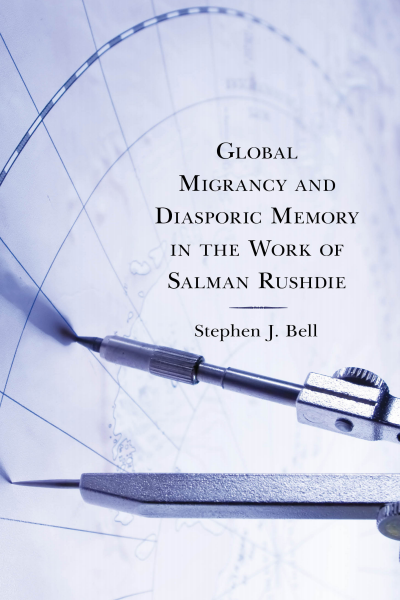
Global Migrancy and Diasporic Memory in the Work of Salman Rushdie
Authors:
Publisher:
2020
Summary
Global Migrancy and Diasporic Memory in the Work of Salman Rushdie examines Salman Rushdie’s major works for the ways that they consistently affirm the power of memory to construct a concrete, rooted identity for characters and nation-states despite the prerogative of migrants to translate themselves into new creations through a dismissal of the weight of the past. Stephen J. Bell conducts an in-depth, comprehensive postcolonial and postmodern of Rushdie’s ideas as expressed through his work. If “exile is a dream of glorious return,” as one of his characters reflects in The Satanic Verses, few diasporic writers living today rival Rushdie for the singular inspiration he draws from memories of home and the past. So vital is the idea of home and belonging to Rushdie that, notwithstanding the frequent charges of his critics that he represents no more than a disconnected cosmopolitan, Bell would categorize Rushdie's position as one of “centripetal migrancy" (with centrum--“center”--and petere--“to seek”--forming the idea of a constant quest for the center). Rushdie thus qualifies as the quintessential “centripetal migrant,” whose slippery critical location is balanced Janus-faced between the future and the past.