, to see if you have full access to this publication.
Edited Book No access
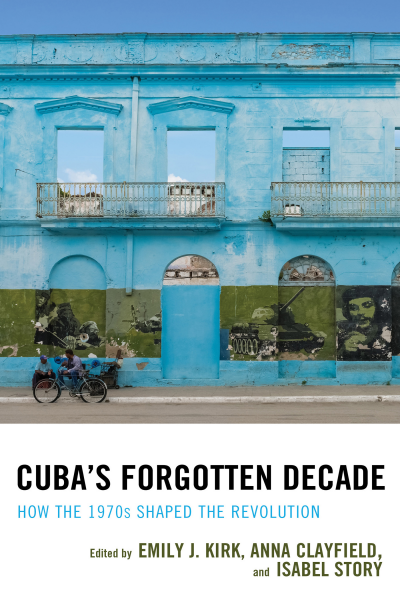
Cuba's Forgotten Decade
How the 1970s Shaped the Revolution
Editors:
| |
Publisher:
2018
Summary
The 1970s have largely been overlooked in scholarly studies of the Cuban Revolution, or, at the very least, dismissed simply as a period of “Sovietization” characterized by widespread bureaucratization, institutionalization, and adherence to Soviet orthodoxy. Consequently, scant research exists that examines the major changes that took place across the decade and their role in determining the course of the Revolution. This book provides, for the first time, a comprehensive assessment of the 1970s which challenges prevailing interpretations. Drawing from multidisciplinary perspectives and exploring a range of areas—including politics, international relations, culture, education, and healthcare—its contributing authors demonstrate that the decade was a time of intense transformation which proved pivotal to the development of the Revolution. Indeed, many of the ideas, approaches, policies, and legislation developed and tested during the 1970s maintain a very visible legacy in contemporary Cuba. In highlighting the complexity of the 1970s, this volume ultimately aims to contribute to a greater understanding of the Cuban Revolution and how it chooses to face the challenges of the twenty-first century.
Keywords
Search publication
Bibliographic data
Edition
1/2018
Copyright Year
2018
ISBN-Print
978-1-4985-6873-9
ISBN-Online
978-1-4985-6874-6
Publisher
Lexington, Lanham
Language
English
Pages
260
Product Type
Edited Book
Table of contents
ChapterPages
Contents No access
List of Acronyms No access
Introduction No access Pages 1 - 4
1 Raúl’s Decade? Or the First Swing of the Pendulum? No access
2 Havana and Moscow in the 1970s No access
3 David Rising No access
4 Canada-Cuba Relations in the 1970s No access
5 Militarized by Moscow? No access
6 No Secret Cure No access
7 Sexual Education in the 1970s No access
8 Cuban Women and the State No access
9 The “Three Ps” (Perfecting, Professionalization, and Pragmatism) and their Limitations for Understanding Cuban Education in the 1970s No access