Heroisierung als visuelle Rhetorik in Standbildern der Frühen Neuzeit in Italien und Frankreich
- Autor:innen:
- Reihe:
- Helden - Heroisierungen - Heroismen, Band 18
- Verlag:
- 2022
Zusammenfassung
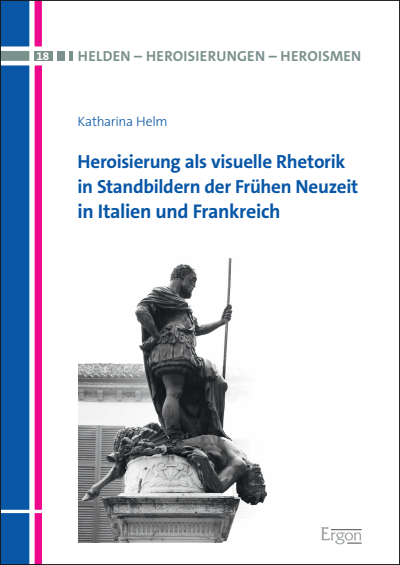
Die kunsthistorische Monografie gibt in großer Systematik einen Überblick über die verschiedenen Formen der Heroisierung im öffentlichen Standbild, derer man sich in der Frühen Neuzeit in Italien und Frankreich bediente. Der vorgestellte Themenbereich erschließt sich damit unter einer Fragestellung, die in der Forschung bisher nur wenig Beachtung fand. Da sich die Visualisierungsweisen des Heroischen im betrachteten Zeitraum nicht eindeutig festschreiben lassen, wählt die Verfasserin einen eigenen Zugriff: Sie versteht die künstlerische Ausgestaltung der Monumente als Teil eines Kommunikationsprozesses und wendet ein selbst erarbeitetes Systematisierungsmodell auf den heterogenen Denkmalbestand an. Die vier Kategorien dissimulative, imitative, individualisierende und gesteigerte Heroisierung bilden ein Gliederungsgerüst, das dazu anregt, die gestellten Fragen auch mit Bezug auf andere Epochen weiterzudenken.
Schlagworte
Publikation durchsuchen
Bibliographische Angaben
- Copyrightjahr
- 2022
- ISBN-Print
- 978-3-95650-868-4
- ISBN-Online
- 978-3-95650-869-1
- Verlag
- Ergon, Baden-Baden
- Reihe
- Helden - Heroisierungen - Heroismen
- Band
- 18
- Sprache
- Deutsch
- Seiten
- 506
- Produkttyp
- Monographie
Inhaltsverzeichnis
- Titelei/InhaltsverzeichnisSeiten 1 - 8 Download Kapitel (PDF)
- 1.1 Forschungsgegenstand, Fragestellung und Zielsetzung
- 1.2 Methodik und Begriffsdefinitionen
- 1.3 Forschungsstand
- 1.4 Zum Systematisierungsmodell der dissimulativen, imitativen, individualisierenden und gesteigerten Heroisierung
- 1.5 Zum Aufbau dieses Buches
- 2 Fama und virtù: Zur Funktion des öffentlichen Standbildes und seiner geistig-theoretischen Fundierung durch die HumanistenSeiten 21 - 32 Download Kapitel (PDF)
- 3.1 Standbilder biblischer Tugendhelden
- 3.2 Standbilder mythologischer Tugendhelden
- 4.1 Andrea Doria in der Gestalt Neptuns von Baccio Bandinelli (1528–1537): Die persönliche Heroisierung eines Flottenkapitäns an den Grenzen zur fürstlichen Repräsentation
- 4.2 Der Neptunbrunnen von Bartolomeo Ammannati (1560–1575) auf der Piazza della Signoria in Florenz: eindeutig uneindeutige Heroisierung Cosimos I. de’ Medici
- 4.3 Franz I. in der Gestalt des Mars von Benvenuto Cellini (1542): Das Standbild des antiken Gottes als Ausdruck königlicher Repräsentation
- 5.1 Die Darstellung in antikischer Rüstung: Der Capitano als Modell antiker Tugendhaftigkeit
- 5.2 Die Darstellung in zeitgenössischer Rüstung: Heroisierung im Spannungsfeld zwischen Tatheldentum und fürstlicher Magnifizenz
- 6.1 Die Reiterstandbilder der Medici in Florenz
- 6.2 Die Reiterstandbilder der Farnese in Piacenza
- 6.3 Das Reiterstandbild Heinrichs IV. auf dem Pont Neuf (1607–1614): Modell für die Inszenierung der französischen Könige
- 7.1 Das Standbild für Ludwig XIII. auf der Place Royale (Place des Vosges) (1634–1639): Ein Platz für den König
- 7.2 Ludwig XIV. zwischen seinen Eltern auf dem Pont au Change von Simon Guillain (1646–1647): Die Inszenierung der jungen Bourbonendynastie
- 7.3 Ludwig XIV. als Sieger über die Fronde von Gilles Guérin (1653–1654): Der junge König als Sieger über die Feinde im eigenen Land
- 7.4 Das Standbild Ludwigs XIV. von Martin Desjardins: Höhepunkt und Grenzen einer maßlos übersteigerten Inszenierung des Königs
- 8 SchlussbetrachtungSeiten 327 - 332 Download Kapitel (PDF)
- LiteraturverzeichnisSeiten 333 - 374 Download Kapitel (PDF)
- AbbildungsnachweiseSeiten 375 - 380 Download Kapitel (PDF)
- TafelnSeiten 381 - 500 Download Kapitel (PDF)
- NamensregisterSeiten 501 - 506 Download Kapitel (PDF)
Literaturverzeichnis (271 Einträge)
Es wurden keine Treffer gefunden. Versuchen Sie einen anderen Begriff.
- Ambrosius von Mailand: Sancti Ambrosii Opera. Epistularum liber decimus, Epistulae extra collectionem, Gesta Concilii Aquileiensis, hrsg. von Michael Petschenig / Michaela Zelzer (Corpus Scriptorum Ecclesiasticorum Latinorum 82,3), Wien 1982. Google Scholar öffnen DOI: 10.5771/9783956508691
- Ambrosius von Mailand: Sancti Ambrosii Opera. Epistularvm libri VII–VIIII, hrsg. von Otto Faller (Corpus Scriptorum Ecclesiasticorum Latinorum 82,2), Wien 1990. Google Scholar öffnen DOI: 10.5771/9783956508691
- Augustinus: Contra Faustum, hrsg. von Ioseph Zycha (Corpus Scriptorum Ecclesiasticorum Latinorum 25,1), Wien 1891. Google Scholar öffnen DOI: 10.5771/9783956508691
- Augustinus: In Iohannis evangelium tractatus CXXIV, hrsg. von Radbodus Willems (Corpus Christianorum. Series Latina 36), Turnhout 1954. Google Scholar öffnen DOI: 10.5771/9783956508691
- Beda Venerabilis: In Lucae evangelium expositio. In Marci evangelium expositio., hrsg. von David Hurst (Corpus Christianorum. Series Latina 120), Turnhout 1960. Google Scholar öffnen DOI: 10.5771/9783956508691
- Benedikt von Nursia: La Règle de Saint Benoît Bd. 2 Ch. VIII–LXXIII, hrsg. von Adalbert d. Vogüé / Jean Neufville, Paris 1972. Google Scholar öffnen DOI: 10.5771/9783956508691
- Cicero, Marcus T.: Il processo di Verre, hrsg. von Nino Marinone / Laura Fiocchi, Mailand 82013. Google Scholar öffnen DOI: 10.5771/9783956508691
- Davril, A. u. a. (Hg.): Guillelmi Duranti Rationale divinorum officiorum (Gvillelmi Dvranti Rationale divinorvm officiorvm / ed. A. Davril), Turnhout 2000. Google Scholar öffnen DOI: 10.5771/9783956508691
- Diaconus, Paulus: Historia Langobardorum, hrsg. von Ludwig C. Bethmann / Georg Waitz (SS rer. Lang.), Hannover 1878. Google Scholar öffnen DOI: 10.5771/9783956508691
- Die Urkunden Friedrichs I. 1158–1167, hrsg. von Heinrich Appelt (MGH DD F I), Hannover 1979. Google Scholar öffnen DOI: 10.5771/9783956508691
- Die Urkunden Heinrichs II. und Arduins, hrsg. von Harry Bresslau / Hermann Bloch / Robert Holtzmann (MGH DD H II), Hannover 1900–1903. Google Scholar öffnen DOI: 10.5771/9783956508691
- Die Urkunden Heinrichs IV., hrsg. von Dietrich von Gladiss / Alfred Gawlick (MGH DD H IV), Weimar 1952. Google Scholar öffnen DOI: 10.5771/9783956508691
- Die Urkunden Konrads II., hrsg. von Harry Bresslau / Hans Wibel / Alfred Hessel (MGH DD K II), Hannover 1909. Google Scholar öffnen DOI: 10.5771/9783956508691
- Die Urkunden Ludwigs II., hrsg. von Konrad Wanner (MGH DD L II), München 1994. Google Scholar öffnen DOI: 10.5771/9783956508691
- Gregor der Große: Dialogues – Livres I–III. Bd. 2, hrsg. von Adalbert d. Vogüé / Paul Antin, Paris 1979. Google Scholar öffnen DOI: 10.5771/9783956508691
- Paulus Diaconus: Homiliarius, hrsg. von Jacques P. Migne (Patrologia Latina 95), Paris 1851. Google Scholar öffnen DOI: 10.5771/9783956508691
- Paulus Diaconus: Historia Langobardorum, in: L. Bethmann / G. Waitz (Hg.): Scriptores rerum langobardicarum et italicarum saec. VI–IX, Hannover 1878, S. 45–187. Google Scholar öffnen DOI: 10.5771/9783956508691
- Rather von Verona: Opera omnia, hrsg. von Jacques P. Migne (Patrologia Latina 136), Paris 1881. Google Scholar öffnen DOI: 10.5771/9783956508691
- Rather von Verona: Die Briefe des Bischofs Rather von Verona, hrsg. von Fritz Weigle (MGH Epistolae 2), Weimar 1949. Google Scholar öffnen DOI: 10.5771/9783956508691
- Rather von Verona: Qualitatis coniectura cuiusdam, Ratherii utique Veronensis, hrsg. von Peter L. D. Reid (Corpus Christianorum. Continuatio Mediaevalis 46), Turnhout 1976. Google Scholar öffnen DOI: 10.5771/9783956508691
- Rather von Verona: Ratherii Veronensis Praeloqviorvm libri VI Phrenesis. Dialogus confessionalis, hrsg. von Peter L. D. Reid (Corpus Christianorum. Continuatio Mediaevalis 46A), Turnhout 1984. Google Scholar öffnen DOI: 10.5771/9783956508691
- Rather von Verona: Sermones monacenses, in: Paul Tombeur (Hg.): Thesaurus Ratherii Veronensis necnon Leodiensis. Series A– B, formae et lemmata ; lemmata et formae, lemmata a tergo ordinata, tabulae frequentiarum, formae et lemmata, formae a tergo ordinatae, lemmata singulorum operum, concordantia lemmatum et formarum, Turnhout 2005. Google Scholar öffnen DOI: 10.5771/9783956508691
- Zeno von Verona: Zenonis Veronensis tractatus, hrsg. von Bengt Löfstedt (Corpus Christianorum. Series Latina 22), Turnhout 1971. Google Scholar öffnen DOI: 10.5771/9783956508691
- Ambrosioni, Annamaria: Federico I e il papato dal Congresso di Verona alla partenza per la I crociata (1184–1189), Mailand 1986. Google Scholar öffnen DOI: 10.5771/9783956508691
- Andrieu, Michel: Les Ordines Romani du haut moyen âge. 5 Bde. (Spicilegium Sacrum Lovaniense: Etudes et documents), Löwen 1931–1961. Google Scholar öffnen DOI: 10.5771/9783956508691
- Andrieu, Michel: Les Ordines Romani du haut moyen âge. Bd. 2 Les textes (Ordines I– XIII) (Spicilegium Sacrum Lovaniense: Etudes et documents), Löwen 1960. Google Scholar öffnen DOI: 10.5771/9783956508691
- Andrieu, Michel: Les Ordines Romani du haut moyen âge. Bd. 1 Les manuscrits (Spicilegium Sacrum Lovaniense: Etudes et documents), Löwen 1965. Google Scholar öffnen DOI: 10.5771/9783956508691
- Angenendt, Arnold: Heilige und Reliquien. Die Geschichte ihres Kultes vom frühen Christentum bis zur Gegenwart, München 1994. Google Scholar öffnen DOI: 10.5771/9783956508691
- Angenendt, Arnold: Liturgie im Mittelalter, in: Patrizia Carmassi (Hg.): Präsenz und Verwendung der Heiligen Schrift im christlichen Frühmittelalter, Wiesbaden 2008, S. 211–238. Google Scholar öffnen DOI: 10.5771/9783956508691
- Anti, Elisa: Animali e ambiente nell’agiografia zenoniana, in: Annuario storico zenoniano, 1993, S. 25–34. Google Scholar öffnen DOI: 10.5771/9783956508691
- Anti, Elisa: Un’inedita redazione della Vita I sancti Zenonis nel ms. XV.AA.15 della Biblioteca Nazionale di Napoli, in: Annuario storico zenoniano, 1998, S. 27–32. Google Scholar öffnen DOI: 10.5771/9783956508691
- Anti, Elisa: Note sulla prima sepoltura di san Zeno e sulla sede del miracolo delle acque, in: Annuario storico zenoniano 17, 2000, S. 11–18. Google Scholar öffnen DOI: 10.5771/9783956508691
- Anti, Elisa: Verona e il culto di San Zeno tra IV e XII secolo, Verona 2009. Google Scholar öffnen DOI: 10.5771/9783956508691
- Antony, Franz J. A.: Archäologisch-liturgisches Lehrbuch des gregorianischen Kirchengesanges. Mit vorzüglicher Rücksicht auf die Römischen, Münsterschen und Erzstift Kölnischen Gesangsweisen, Münster 1829. Google Scholar öffnen DOI: 10.5771/9783956508691
- Arlt, Wulf: Neue Formen des liturgischen Gesangs: Sequenz und Tropus, in: Christoph Stiegemann / Matthias Wemhoff (Hg.): 799 – Kunst und Kultur der Karolingerzeit. Karl der Große und Papst Leo III. in Paderborn. Bd. 3 Beiträge zum Katalog der Ausstellung Paderborn 1999. Handbuch zur Geschichte der Karolingerzeit, Mainz 1999, S. 732–740. Google Scholar öffnen DOI: 10.5771/9783956508691
- Auda, Antoine: L’École musicale liégeoise au Xe siècle. Etienne de Liège (Mémoire de la Classe des Lettres 2, 1), Brüssel 1923. Google Scholar öffnen DOI: 10.5771/9783956508691
- Avena, Antonio: Guglielmo da Pastrengo e gli inizi dell’umanesimo a Verona, in: Atti dell’Accademia di agricoltura, scienze, lettere, arte e commercio di Verona 82, 1907, 65–73. Google Scholar öffnen DOI: 10.5771/9783956508691
- Babcock, Robert G. / Cahn, Walter: A New Manuscript from the Abbey of San Zeno at Verona, in: The Yale University Library gazette 66, 1992, S. 105–116. Google Scholar öffnen DOI: 10.5771/9783956508691
- Bagatta, Raffaele / Battista Peretti (Hg.): Sanctorum episcoporum Veronensium antiqua monumenta et aliorum sanctorum quorum corpora, et aliquot, quorum ecclesiae habentur Veronae, Venedig 1576. Google Scholar öffnen DOI: 10.5771/9783956508691
- Baldovin, John F.: The Urban Character of Christian Worship. The Origins, Development and Meaning of Stational Liturgy (Orientalia Christiana analecta 228), Rom 1987. Google Scholar öffnen DOI: 10.5771/9783956508691
- Ballerini, Pietro / Ballerini, Girolamo: Sancti Zenonis Episcopi Veronensis Sermones nunc primum, qui par erat, diligentia editi., Verona 1739. Google Scholar öffnen DOI: 10.5771/9783956508691
- Balogh, József: „Voces Paginarum“. Beiträge zur Geschichte des lauten Lesens und Schreibens, in: Philologus 82, 1927, S. 84. Google Scholar öffnen DOI: 10.5771/9783956508691
- Baroffio, Giacomo B.: Manoscritti liturgici e musicali sull’arco alpino fra i secoli IX e XII, in: Carlo Magno e le Alpi: atti del XVIII Congresso Internazionale di Studio sull’Alto Medioevo, Susa, 19 – 20 ottobre 2006, Novalesa, 21 ottobre 2006, Spoleto 2007, S. 141–150. Google Scholar öffnen DOI: 10.5771/9783956508691
- Baroffio, Giacomo B.: Lo spazio concettuale e reale della filologia liturgica, in: Rivista Internazionale di Musica Sacra 31, 2010, S. 169–192. Google Scholar öffnen DOI: 10.5771/9783956508691
- Baroffio, Giacomo B. / Kim, Anastasia E. J.: Cantemus domino gloriose. Introduzione al canto gregoriano, Cremona 2003. Google Scholar öffnen DOI: 10.5771/9783956508691
- Bauer, Dieter u. a. (Hg.): Heilige – Liturgie – Raum (Beiträge zur Hagiographie 8), Stuttgart 2010. Google Scholar öffnen DOI: 10.5771/9783956508691
- Berlière, Ursmer: Les stations liturgiques dans les anciennes villes épiscopales, in: Revue liturgique et monastique 5, 1920, S. 213. Google Scholar öffnen DOI: 10.5771/9783956508691
- Berschin, Walter: Biographie und Epochenstil im lateinischen Mittelalter. Ottonische Biographie: Das hohe Mittelalter: 920–1220 n. Chr., Halbbd. 1: 920–1070 n. Chr. (Quellen und Untersuchungen zur lateinischen Philologie des Mittelalters), Stuttgart 1999. Google Scholar öffnen DOI: 10.5771/9783956508691
- Berschin, Walter / Klüppel, Theodor: Der Evangelist Markus auf der Reichenau, Sigmaringen 1994. Google Scholar öffnen DOI: 10.5771/9783956508691
- Berschin, Walter / Zettler, Alfons: Egino von Verona. Der Gründer von Reichenau-Niederzell (799) (Reichenauer Texte und Bilder), Stuttgart 1999. Google Scholar öffnen DOI: 10.5771/9783956508691
- Biadego, Giuseppe: Catalogo descrittivo dei manoscritti della Biblioteca comunale di Verona, Verona 1892. Google Scholar öffnen DOI: 10.5771/9783956508691
- Biancolini, Giambattista: Notizie storiche delle chiese di Verona. 8 Bde. 8), Verona 1771. Google Scholar öffnen DOI: 10.5771/9783956508691
- Bischoff, Bernhard: Paläographie des römischen Altertums und des abendländischen Mittelalters (Grundlagen der Germanistik 24), Berlin 21986. Google Scholar öffnen DOI: 10.5771/9783956508691
- Bischoff, Bernhard: Katalog der festländischen Handschriften des neunten Jahrhunderts. Aachen – Lambach, Wiesbaden 1998. Google Scholar öffnen DOI: 10.5771/9783956508691
- Bjur, Hans / Santillo B. Frizell (Hg.): Via Tiburtina. Space, Movement and Artefacts in the Urban Landscape, Rom 2005. Google Scholar öffnen DOI: 10.5771/9783956508691
- Blume, Clemens (Hg.): Die Hymnen des Thesaurus Hymnologicus H. A. Daniels und anderer Hymnen-Ausgaben. Pars I Hymni antiquissimi saec. V-XI (Analecta Hymnica Medii Aevi 51), Leipzig 1908. Google Scholar öffnen DOI: 10.5771/9783956508691
- Blume, Clemens: Vorwort und Einleitung, in: Clemens Blume u. a. (Hg.): Thesauri hymnologici hymnarium. Die Hymnen des 5.–11. Jahrhunderts und die irisch-keltische Hymnodie, Leipzig 1908, S. V–XLVII. Google Scholar öffnen DOI: 10.5771/9783956508691
- Borders, James M.: The Cathedral of Verona as a Musical Center in the Middle Ages. Its History, Manuscripts, and Liturgical Practice. 2 Bde., Chicago 1983. Google Scholar öffnen DOI: 10.5771/9783956508691
- Browe, Peter: Zur Geschichte des Dreifaltigkeitsfestes, in: Archiv für Liturgiewissenschaft 1, 1950, S. 65–81. Google Scholar öffnen DOI: 10.5771/9783956508691
- Brown, Peter: Society and the Holy in Late Antiquity 1989. Google Scholar öffnen DOI: 10.5771/9783956508691
- Brugnoli, Andrea: „Pares illorum famuli“. Una tipologia documentaria veronese per negozi tra persone di condizione servile, in: Andrea Brugnoli / Gian Maria Varanini (Hg.): Studi Pierpaolo Brugnoli. Magna Verona vale. Studi in onore di Pierpaolo Brugnoli, Verona 2008, S. 27–48. Google Scholar öffnen DOI: 10.5771/9783956508691
- Brugnoli, Pierpaolo: Le case del capitolo canonicale presso il duomo di Verona, Verona 1979. Google Scholar öffnen DOI: 10.5771/9783956508691
- Pierpaolo Brugnoli (Hg.): La Cattedrale di Verona nelle sue vicende edilizie dal secolo IV al secolo XVI, Venedig 1987. Google Scholar öffnen DOI: 10.5771/9783956508691
- Buchberger, Michael (Hg.): Lexikon für Theologie und Kirche. Bd. 1, Freiburg 21957. Google Scholar öffnen DOI: 10.5771/9783956508691
- Bullough, Donald A.: Texts, Chant, and the Chapel of Louis the Pious, in: Peter Godman / Roger Collins (Hg.): Charlemagne’s Heir. New Perspectives on the Reign of Louis the Pious (814-840), Oxford 1990, S. 489–508. Google Scholar öffnen DOI: 10.5771/9783956508691
- Bysted, Anne L.: The Crusade Indulgence. Spiritual Rewards and the Theology of the Crusades, c. 1095–1216 (History of Warfare 103), Leiden 2015. Google Scholar öffnen DOI: 10.5771/9783956508691
- Camilot-Oswald, Raffaella: Die liturgischen Musikhandschriften aus dem mittelalterlichen Patriarchat Aquileia (Monumenta Monodica Medii Aevi. Subsidia 2), Kassel 1997. Google Scholar öffnen DOI: 10.5771/9783956508691
- Carrara, Mario: Gli scrittori latini, in: Vittorio Cavallari / Piero Gazzola (Hg.): Verona e il suo territorio, Verona 1960–1984, S. 349–420. Google Scholar öffnen DOI: 10.5771/9783956508691
- Castagnetti, Andrea: Aspetti politici, economici e sociali di chiese e monasteri dall’epoca carolingia alle soglie dell´età moderna, in: Giorgio Borelli (Hg.): Chiese e monasteri a Verona, Verona 1980, S. 43–119. Google Scholar öffnen DOI: 10.5771/9783956508691
- Castagnetti, Andrea: Dalla caduta dell’Impero Romano d’Occidente all’Impero Romano-Germanico (476–1024), in: Andrea Castagnetti / Gian Maria Varanini (Hg.): Il Veneto nel medioevo. Dalla „Venetia“ alla Marca Veronese, Verona 1989, S. 1–80. Google Scholar öffnen DOI: 10.5771/9783956508691
- Castiglioni, Gino: Note sui codici quattrocenteschi del Monastero di San Zenone Maggiore nella Biblioteca Civica di Verona, in: Emanuela Sesti (Hg.): La miniatura italiana tra Gotico e Rinascimento: atti del II Congresso di Storia della Miniatura Italiana 1985, S. 389–413. Google Scholar öffnen DOI: 10.5771/9783956508691
- Castiglioni, Gino: I corali tardotrecenteschi del capitolo veronese, in: Gian Maria Varanini (Hg.): Gli scaligeri 1277–1387. Saggi e schede pubblicati in occasione della mostra storico-documentaria allestita dal Museo di Castelvecchio di Verona (giugno– novembre 1988), Verona 1988, S. 421–426. Google Scholar öffnen DOI: 10.5771/9783956508691
- Castiglioni, Gino: Tre salteri, un officio e qualche riflessione sulla miniatura veronese in età tardogotica, in: Rivista di storia della miniatura, 2007, S. 213–228. Google Scholar öffnen DOI: 10.5771/9783956508691
- Cervato, Dario: Adelardo cardinale vescovo di Verona (1188–1214) e legato pontificio in Terra Santa (1189–1191), Verona 1991. Google Scholar öffnen DOI: 10.5771/9783956508691
- Cervato, Dario: Iacet ad monasterium Sancti Zenonis: Adelardo II cardinale e vescovo di Verona, in: Annuario storico zenoniano, 1991, S. 41–54. Google Scholar öffnen DOI: 10.5771/9783956508691
- Cervato, Dario: Raterio di Verona e di Liegi. Il terzo periodo del suo episcopato veronese (961-968). Scritti e attività, Verona 1993. Google Scholar öffnen DOI: 10.5771/9783956508691
- Cipolla, Carlo: Il velo di Classe, Verona 1972. Google Scholar öffnen DOI: 10.5771/9783956508691
- Coden, Fabio: Il portico detto „santa Maria Matricolare“ presso il complesso episcopale di Verona, in: Arturo C. Quintavalle (Hg.): Medioevo: L’Europa delle cattedrali. Atti del convegno internazionale di studi, Mailand 2007, S. 339–349. Google Scholar öffnen DOI: 10.5771/9783956508691
- Corbin, Solange: La cantillation des rituels chrétiens, in: Revue de musicologie 47, 1961, S. 3–36. Google Scholar öffnen DOI: 10.5771/9783956508691
- Da Lisca, Alessandro: La basilica di S. Stefano in Verona, in: Atti e memorie dell‘Accademia di Agricoltura, Scienze e Lettere di Verona 14, 1936, S. 45–119. Google Scholar öffnen DOI: 10.5771/9783956508691
- Da Lisca, Alessandro: La basilica di San Zenone in Verona, Verona 1941. Google Scholar öffnen DOI: 10.5771/9783956508691
- Dalmais, Irénée H. u. a. (Hg.): Volume IV: The Liturgy and Time. The Church at Prayer. An Introduction to the Liturgy, Collegeville 1985. Google Scholar öffnen DOI: 10.5771/9783956508691
- De Gaiffier d‘Hestroy, Baudouin: La lecture des Actes des martyrs dans la prière liturgique en Occident. A propos du passionaire hispanique, in: Analecta Bollandiana 72, 1954, S. 134–166. Google Scholar öffnen DOI: 10.5771/9783956508691
- De Gaiffier d‘Hestroy, Baudouin: Etudes critiques d’hagiographie et d’iconologie (Subsidia Hagiographica 43), Brüssel 1967. Google Scholar öffnen DOI: 10.5771/9783956508691
- De Gaiffier d‘Hestroy, Baudouin: Hagiographie et historiographie, in: La storiografia altomedievale, Spoleto 1970, S. 139–166. Google Scholar öffnen DOI: 10.5771/9783956508691
- Dolbeau, François: Pauca de vita sancti Donatiani, in: Peter L. D. Reid (Hg.): Ratherii Veronensis Praeloqviorvm libri VI Phrenesis. Dialogus confessionalis, Turnhout 1984, S. 275–283. Google Scholar öffnen DOI: 10.5771/9783956508691
- Dolbeau, François: Zenoniana. Recherches sur le texte et sur la tradition de Zénon de Vérone, in: Recherches Augustiniennes et Patristiques 20, 1985, S. 3–34. Google Scholar öffnen DOI: 10.5771/9783956508691
- Dolbeau, François: Ratheriana III. Notes sur la culture patristique de Rathier, in: Sacris erudiri 29, 1986, S. 151–221. Google Scholar öffnen DOI: 10.5771/9783956508691
- Dolbeau, François: Les hagiographes au travail: collecte et traitement des documents écrits (IX–XII siècles), in: Martin Heinzelmann (Hg.): Manuscrits hagiographiques et travail des hagiographes, Sigmaringen 1992, S. 49–76. Google Scholar öffnen DOI: 10.5771/9783956508691
- Dorn, Johann: Stationsgottesdienste in frühmittelalterlichen Bischofsstädten, in: Andreas Bigelmair (Hg.): Festgabe Alois Knöpfler zur Vollendung des 60. Lebensjahres gewidmet, München 1907, S. 43–55. Google Scholar öffnen DOI: 10.5771/9783956508691
- Dreves, Guido M.: Einleitung, in: Guido M. Dreves (Hg.): Historiae rhythmicae. Liturgische Reimofficien des Mittelalters. Erste Folge. Aus Handschriften und Wiegendrucken, Leipzig 1889, S. 5–16. Google Scholar öffnen DOI: 10.5771/9783956508691
- Dreves, Guido M. (Hg.): Historiae rhythmicae. Liturgische Reimofficien des Mittelalters. Erste Folge. Aus Handschriften und Wiegendrucken (Analecta Hymnica Medii Aevi 5), Leipzig 1889. Google Scholar öffnen DOI: 10.5771/9783956508691
- Dreves, Guido M.: Vorwort, in: Guido M. Dreves (Hg.): Sequentiae ineditae. Aus Handschriften und Frühdrucken, Leipzig 1890, S. 5–8. Google Scholar öffnen DOI: 10.5771/9783956508691
- Dreves, Guido M. (Hg.): Hymni inediti. Liturgische Hymnen des Mittelalters (Analecta Hymnica Medii Aevi 22), Leipzig 1895. Google Scholar öffnen DOI: 10.5771/9783956508691
- Du Cange, Charles du Fresne: Glossarium mediae et infimae Latinitatis. 10 Bde., Niort 1883-1887. Google Scholar öffnen DOI: 10.5771/9783956508691
- Dunstan, Alan: Hymnody in Christian Worship, in: Cheslyn Jones (Hg.): The Study of Liturgy, London 1992, S. 507–519. Google Scholar öffnen DOI: 10.5771/9783956508691
- Dyer, Joseph H.: Monastic Psalmody in the Middle Ages, in: Revue bénédictine 99, 1989, S. 41–74. Google Scholar öffnen DOI: 10.5771/9783956508691
- Dyer, Joseph H.: The Singing of Psalms in the Early Medieval Office, in: Speculum 64, 1989, S. 535–578. Google Scholar öffnen DOI: 10.5771/9783956508691
- Ederle, Guglielmo / Cervato, Dario: I vescovi di Verona: dizionario storico e cenni sulla Chiesa veronese, Verona 2002. Google Scholar öffnen DOI: 10.5771/9783956508691
- Eickhoff, Ekkehard: Friedrich Barbarossa im Orient. Kreuzzug und Tod Friedrichs I., Tübingen 1977. Google Scholar öffnen DOI: 10.5771/9783956508691
- Eisenberg, Ronald: Dictionary of Jewish Terms. A Guide to the Language of Judaism, Lanham 2011. Google Scholar öffnen DOI: 10.5771/9783956508691
- Fainelli, Vittorio: Codice diplomatico Veronese. Bd. 1 Dalla caduta dell’impero romano alla fine del periodo carolingio. 2 Bde. (Monumenti storici. Nuova serie 1), Venedig 1940. Google Scholar öffnen DOI: 10.5771/9783956508691
- Fainelli, Vittorio: Grandi benefattori: il Vescovo Ratoldo e l’arcidiacono Pacifico, in: Zenonis Cathedra. Miscellanea di studi in onore di S.E. l’arcivescovo mons. Giovanni Urbani, Verona 1955, S. 23–27. Google Scholar öffnen DOI: 10.5771/9783956508691
- Fainelli, Vittorio: L’abbazia di S. Zeno nell’alto medioevo, in: Miscellanea Roberto Cessi, Rom 1958, S. 51–62. Google Scholar öffnen DOI: 10.5771/9783956508691
- Farmer, Sharon: Communities of Saint Martin. Legend and Ritual in Medieval Tours, Ithaca 1991. Google Scholar öffnen DOI: 10.5771/9783956508691
- Ferrari, Mirella: Libri liturgici e diffusione della scrittura carolina nell’Italia settentrionale, in: Culto cristiano, politica imperiale carolingia, Todi 1979, S. 265–279. Google Scholar öffnen DOI: 10.5771/9783956508691
- Ferro, Eva: „Suavissime universorum Domine“. Eine „konstanzische“ Maria Magdalena-Historia in Hirsau?, in: Archiv für Liturgiewissenschaft, 2014, S. 49–74. Google Scholar öffnen DOI: 10.5771/9783956508691
- Fill, Hauke: Katalog der Handschriften des Benediktinerstiftes Kremsmünster. Teil 2 Zimeliencodices und spätmittelalterliche Handschriften nach 1325 bis einschliesslich CC 100. 2 Bde. (Denkschriften der philosophisch-historischen Klasse 270), Wien 2000. Google Scholar öffnen DOI: 10.5771/9783956508691
- Fischer-Lichte, Erika: Semiotik des Theaters. Die Aufführung als Text, Tübingen 52009. Google Scholar öffnen DOI: 10.5771/9783956508691
- Flanigan, Clifford C. u. a.: Liturgy as Social Performance: Expanding the Definitions, in: Thomas J. Heffernan / Ann E. Matter (Hg.): The Liturgy of the Medieval Church, Kalamazoo 2001, S. 635–652. Google Scholar öffnen DOI: 10.5771/9783956508691
- Forchielli, Giuseppe: Collegialità di chierici nel veronese dall’VIII secolo all’etá comunale, in: Archivio veneto 58, 1928, S. 1–117. Google Scholar öffnen DOI: 10.5771/9783956508691
- Franzoni, Lanfranco: Verona. Testimonianze archeologiche, Verona 1965. Google Scholar öffnen DOI: 10.5771/9783956508691
- Franzoni, Lanfranco: La campana di Cansignorino per la torre del Gadello (1370), in: Gian Maria Varanini (Hg.): Gli scaligeri 1277–1387. Saggi e schede pubblicati in occasione della mostra storico-documentaria allestita dal Museo di Castelvecchio di Verona (giugno–novembre 1988), Verona 1988, S. 322. Google Scholar öffnen DOI: 10.5771/9783956508691
- Galli, André: Zénon de Vérone dans l’antiphonaire de Bangor, in: Revue bénédictine 93, 1983, S. 293–301. Google Scholar öffnen DOI: 10.5771/9783956508691
- Gamber, Klaus: Die gallikanische Zeno-Messe. Ein Beitrag zum ältesten Ritus von Oberitalien und Bayern, in: Münchener Theologische Zeitschrift 10, 1959, S. 295–299. Google Scholar öffnen DOI: 10.5771/9783956508691
- Gamber, Klaus: Codices liturgici latini antiquiores. Pars II (Spicilegium Friburgense. Subsidia 2), Freiburg 1968. Google Scholar öffnen DOI: 10.5771/9783956508691
- Georges, Karl E.: Ausführliches lateinisch-deutsches Handwörterbuch, Hannover 81913. Google Scholar öffnen DOI: 10.5771/9783956508691
- Gilsdorf, Sean: The Favor of Friends: Intercession and Aristocratic Politics in Carolingian and Ottonian Europe (Brill‘s series on the early Middle Ages 23), Leiden 2014. Google Scholar öffnen DOI: 10.5771/9783956508691
- Giuliari, Giovanni B. C. (Hg.): S. Zenonis episcopi Veronensis Sermones, Verona 1883. Google Scholar öffnen DOI: 10.5771/9783956508691
- Gneuss, Helmut: Zur Geschichte des Hymnars, in: Andreas Haug u. a. (Hg.): Der lateinische Hymnus im Mittelalter. Überlieferung, Ästhetik, Ausstrahlung, Kassel 2004, S. 63–86. Google Scholar öffnen DOI: 10.5771/9783956508691
- Golinelli, Paolo: Il Cristianesimo nella „Venetia“ altomedievale. Diffusione, istituzionalizzazione e forme di religiosità dalle origini al sec. X, in: Andrea Castagnetti / Gian Maria Varanini (Hg.): Il Veneto nel medioevo. Dalla „Venetia“ alla Marca Veronese, Verona 1989, S. 237–331. Google Scholar öffnen DOI: 10.5771/9783956508691
- Golinelli, Paolo: Nota su Raterio agiografo, in: Mittellateinisches Jahrbuch 24–25, 1989–1990, S. 125–131. Google Scholar öffnen DOI: 10.5771/9783956508691
- Golinelli, Paolo: Italia settentrionale (1130–1220), in: Guy Philippart (Hg.): Hagiographies. Histoire internationale de la littérature hagiographique latine et vernaculaire en Occident des origines à 1550, Turnhout 1994–2006, S. 125–153. Google Scholar öffnen DOI: 10.5771/9783956508691
- Goudesenne, Jean-François: Les Offices historiques ou Historiae composés pour les fêtes des saints dans la province ecclésiastique de Reims (775–1030), Turnhout 2002. Google Scholar öffnen DOI: 10.5771/9783956508691
- Goudesenne, Jean-François: Historiae from Alta Italia and their Frankish Models: A Progressive „Romanisation“ by the Carolingian Franks (750–950), in: Roman Hankeln (Hg.): Political Plainchant? Music, Text and Historical Context of Medieval Saints‘ Offices, Ottawa 2009, S. 13–29. Google Scholar öffnen DOI: 10.5771/9783956508691
- Goullet, Monique: Écriture et réécriture hagiographiques, Turnhout 2005. Google Scholar öffnen DOI: 10.5771/9783956508691
- Grazioli, Angelo: San Zenone di Verona, in: La scuola cattolica 68, 1940, S. 174–199. Google Scholar öffnen DOI: 10.5771/9783956508691
- Griffiths, Fiona J.: The Garden of Delights. Reform and Renaissance for Women in the Twelfth Century, Philadelphia 2011. Google Scholar öffnen DOI: 10.5771/9783956508691
- Gy, Pierre-Marie: Le culte des saints dans la liturgie d’Occident entre le IXe et le XIIIe siècle, in: Robert Favreau (Hg.): Le culte des saints aux IXe-XIIIe siècles. Actes du Colloque tenu à Poitiers les 15-16-17 septembre 1993, Poitiers 1995, S. 85–89. Google Scholar öffnen DOI: 10.5771/9783956508691
- Halm, Karl u. a.: Catalogus codicum latinorum Bibliothecae Regiae Monacensis. Codices num. 15121–21313 (Catalogus Codicum Manu Scriptorum Bibliothecae Regiae Monacensis 2,3), München 1878. Google Scholar öffnen DOI: 10.5771/9783956508691
- Hamilton, Sarah: The Practice of Penance, 900–1050, London 2001. Google Scholar öffnen DOI: 10.5771/9783956508691
- Harper, John: The Forms and Orders of Western Liturgy from the Tenth to the Eighteenth Century. A Historical Introduction and Guide for Students and Musicians, Oxford 1991. Google Scholar öffnen DOI: 10.5771/9783956508691
- Andreas Haug u. a. (Hg.): Der lateinische Hymnus im Mittelalter. Überlieferung, Ästhetik, Ausstrahlung, Kassel 2004. Google Scholar öffnen DOI: 10.5771/9783956508691
- Heinzelmann, Martin: Translationsberichte und andere Quellen des Reliquienkultes (Typologie des sources du Moyen Âge occidental), Turnhout 1979. Google Scholar öffnen DOI: 10.5771/9783956508691
- Heinzer, Felix: Die „heilige Königstochter“ in der Liturgie: Zur Inszenierung Elisabeths im Festoffizium „Laetare Germania“, in: Dieter Blume / Matthias Werner (Hg.): Elisabeth von Thüringen – eine europäische Heilige: Aufsätze, Petersberg 2007, S. 215–225. Google Scholar öffnen DOI: 10.5771/9783956508691
- Heinzer, Felix: Der besungene Heilige: Aspekte des liturgisch propagierten Franziskus-Bildes, in: Wissenschaft und Weisheit 74, 2011, S. 234–251. Google Scholar öffnen DOI: 10.5771/9783956508691
- Heinzer, Felix: Eucharist and Holy Spirit: hidden mass-theology in an early thirteenth-century office book fragment, in: Harvard Library Bulletin 21, 2011, S. 5–17. Google Scholar öffnen DOI: 10.5771/9783956508691
- Heinzer, Felix: Figura zwischen Präsenz und Diskurs. Das Verhältnis des ›gregorianischen‹ Messgesangs zu seiner dichterischen Erweiterung, in: Christian Kiening / Katharina Mertens Fleury (Hg.): Figura. Dynamiken der Zeiten und Zeichen im Mittelalter, Würzburg 2013, S. 71–90. Google Scholar öffnen DOI: 10.5771/9783956508691
- Heinzer, Felix: Hos multo elegantius, si ecclesiastica loquendi consuetudo pateretur, nostros heroas uocaremus – Sprachbilder im frühchristlichen Märtyrerdiskurs, in: Ralf von den Hoff u. a. (Hg.): Imitatio heroica. Heldenangleichung im Bildnis, Würzburg 2015, S. 119–136. Google Scholar öffnen DOI: 10.5771/9783956508691
- Heinzer, Felix: Hos multo elegantius, si ecclesiastica loquendi consuetudo pateretur, nostros heroas uocaremus. Sprachbilder im frühchristlichen Märtyrerdiskurs, in: Ralf v. d. Hoff u. a. (Hg.): Imitatio heroica. Heldenangleichung im Bildnis (Helden – Heroisierungen – Heroismen 1), Würzburg 2015, S. 119–136. Google Scholar öffnen DOI: 10.5771/9783956508691
- Heinzer, Felix: Poesie als politische Theologie. Texte und Kontexte der liturgischen Verehrung König Ludwigs des Heiligen, in: Francia 42, 2015, S. 73–92. Google Scholar öffnen DOI: 10.5771/9783956508691
- Heinzer, Felix u. a.: Einleitung: Relationen zwischen Sakralisierungen und Heroisierungen, in: Felix Heinzer u. a. (Hg.): Sakralität und Heldentum (Helden – Heroisierungen – Heroismen 6), Würzburg 2017, S. 9–18. Google Scholar öffnen DOI: 10.5771/9783956508691
- Herbers, Klaus: Hagiographie im Kontext – Konzeption und Zielvorstellung, in: Dieter Bauer / Klaus Herbers (Hg.): Hagiographie im Kontext. Wirkungsweisen und Möglichkeiten historischer Auswertung, Stuttgart 2000, S. IX–XXVIII. Google Scholar öffnen DOI: 10.5771/9783956508691
- Hesbert, René-Jean: Corpus Antiphonalium Officii. Bd. 1 Manuscripti „cursus Romanus“ (Rerum Ecclesiasticarum Documenta. Series Maior. Fontes 7), Rom 1963a. Google Scholar öffnen DOI: 10.5771/9783956508691
- Hesbert, René-Jean: Corpus Antiphonalium Officii. Bd. 3 Invitatoria et antiphonae (Rerum Ecclesiasticarum Documenta. Series Maior. Fontes 9), Rom 1968b. Google Scholar öffnen DOI: 10.5771/9783956508691
- Hesbert, René-Jean: Corpus Antiphonalium Officii. Bd. 4 Responsoria, versus, hymni et varia (Rerum Ecclesiasticarum Documenta. Series Maior. Fontes 10), Rom 1970. Google Scholar öffnen DOI: 10.5771/9783956508691
- Hiestand, Rudolph: „precipua tocius christianismi columpna“. Barbarossa und der Kreuzzug, in: Alfred Haverkamp (Hg.): Friedrich Barbarossa. Handlungsspielräume und Wirkungsweisen, Sigmaringen 1992, S. 51–108. Google Scholar öffnen DOI: 10.5771/9783956508691
- Hiestand, Rudolph: Kingship and Crusade in Twelfth-Century Germany, in: Alfred Haverkamp / Hanna Vollrath (Hg.): England and Germany in the High Middle Ages, London 1996, S. 236–265. Google Scholar öffnen DOI: 10.5771/9783956508691
- Hiley, David: Western Plainchant. A Handbook, Oxford 1993. Google Scholar öffnen DOI: 10.5771/9783956508691
- Hiley, David: Gregorian Chant, Cambridge 2009. Google Scholar öffnen DOI: 10.5771/9783956508691
- Hlawitschka, Eduard: Ratold, Bischof von Verona und Begründer von Radolfzell, in: Hegau 54/55, 1997, S. 5–44. Google Scholar öffnen DOI: 10.5771/9783956508691
- Hoffman, Lawrence A.: Beyond the Text. A Holistic Approach to Liturgy (Jewish literature and culture), Bloomington 1987. Google Scholar öffnen DOI: 10.5771/9783956508691
- Hughes, Andrew: Medieval Manuscripts for Mass and Office. A Guide to their Organization and Terminology, Toronto 11982. Google Scholar öffnen DOI: 10.5771/9783956508691
- Hughes, Andrew: Medieval Manuscripts for Mass and Office. A Guide to their Organization and Terminology, Toronto 1982. Google Scholar öffnen DOI: 10.5771/9783956508691
- Huglo, Michel: Les manuscrits du processionnal. Bd. 1 Autriche à Espagne. 2 Bde. (Répertoire international des sources musicales 14,1), München 1999. Google Scholar öffnen DOI: 10.5771/9783956508691
- Huglo, Michel u. a.: Gallican Chant, in: Stanley Sadie (Hg.): The New Grove Dictionary of Music and Musicians, London 2001, S. 458–472. Google Scholar öffnen DOI: 10.5771/9783956508691
- Hülsen-Esch, Andrea v.: Romanische Skulptur in Oberitalien als Reflex der kommunalen Entwicklung im 12. Jahrhundert. Untersuchungen zu Mailand und Verona (Artefact 8), Berlin 1994. Google Scholar öffnen DOI: 10.5771/9783956508691
- Iversen, Gunilla: Problems in the Editing of Tropes, in: Text. An interdisciplinary annual of textual studies 1, 1981, S. 95–132. Google Scholar öffnen DOI: 10.5771/9783956508691
- Iversen, Gunilla: Tropes and Prosulas Added to the Chant Gloria in Excelsis in the Medieval Mass: Editorial Problems and Proposed Solutions, http://hdl.handle.net/1807/32257. Google Scholar öffnen DOI: 10.5771/9783956508691
- Jensen, Brian M.: Lectionarium Placentinum as a Challenge to the Editor, http://hdl.handle.net/1807/32260. Google Scholar öffnen DOI: 10.5771/9783956508691
- Johnson, Timothy J.: Choir Prayer as the Place of Formation and Identity Definition: The Example of the Minorite Order, in: Miscellanea francescana 111, 2011, S. 123–135. Google Scholar öffnen DOI: 10.5771/9783956508691
- Jonsson, Ritva: Historia. Études sur la genèse des offices versifiés, Stockholm 1968. Google Scholar öffnen DOI: 10.5771/9783956508691
- Ritva Jonsson (Hg.): Tropes du propre de la messe (Corpus Troporum 1), Stockholm 1975. Google Scholar öffnen DOI: 10.5771/9783956508691
- Jungmann, Josef A.: Missarum sollemnia. Bd. 1 Messe im Wandel der Jahrhunderte. Messe und kirchliche Gemeinschaft. Vormesse, Wien 1962. Google Scholar öffnen DOI: 10.5771/9783956508691
- Kihlman, Erika: Expositiones sequentiarum. Medieval Sequence Commentaries and Prologues. Editions with Introductions (Acta Universitatis Stockholmiensis. Studia latina Stockholmiensia 53), Stockholm 2006. Google Scholar öffnen DOI: 10.5771/9783956508691
- Kihlman, Erika: Editing Fluid Texts: The Case of the Sequence Commentaries, http://hdl.handle.net/1807/32263. Google Scholar öffnen DOI: 10.5771/9783956508691
- Klauser, Theodor: Die liturgischen Austauschbeziehungen zwischen der römischen und fränkisch-deutschen Kirche vom achten bis zum elften Jahrhundert, in: Historisches Jahrbuch 53, 1933, S. 169–189. Google Scholar öffnen DOI: 10.5771/9783956508691
- Knape, Joachim: Zur Benennung der Offizien im Mittelalter. Das Wort „historia“ als liturgischer Begriff, in: Archiv für Liturgiewissenschaft 26, 1984, S. 305–320. Google Scholar öffnen DOI: 10.5771/9783956508691
- Knibbs, Eric (Hg.): On the Liturgy, Amalar of Metz, Volume II, Books 3–4 (On the Liturgy / Amalar of Metz. Ed. and Transl. by Eric Knibbs), Cambridge / Mass 2014. Google Scholar öffnen DOI: 10.5771/9783956508691
- Kritzinger, Peter: The Cult of Saints and Religious Processions in Late Antiquity and the Early Middle Ages, in: Peter A. V. Sarris u. a. (Hg.): An Age of Saints? Power, Conflict and Dissent in Early Medieval Christianity, Leiden 2011, S. 36–48. Google Scholar öffnen DOI: 10.5771/9783956508691
- La Rocca, Cristina: Pacifico di Verona. Il passato carolingio nella costruzione della memoria urbana, Rom 1995. Google Scholar öffnen DOI: 10.5771/9783956508691
- Lang, Johannes: Das Erzbistum Salzburg. Teilband 2 Das Augustinerchorherrenstift St. Zeno in Reichenhall (Germania Sacra. Folge 3 9, 2), Berlin 2015. Google Scholar öffnen DOI: 10.5771/9783956508691
- Lazzarini, Vittorio: Scuola calligrafica veronese del secolo IX, in: Vittorio Lazzarini (Hg.): Scritti di paleografia e diplomatica, Padua 1969, S. 10–27. Google Scholar öffnen DOI: 10.5771/9783956508691
- Leonardi, Claudio: Notae et glossae autographicae, in: Peter L. D. Reid (Hg.): Ratherii Veronensis Praeloqviorvm libri VI Phrenesis. Dialogus confessionalis, Turnhout 1984, S. 291–314. Google Scholar öffnen DOI: 10.5771/9783956508691
- Lester, Anne E. u. a. (Hg.): Cities, Texts and Social Networks, 400–1500. Experiences and Perceptions of Medieval Urban Space, Florenz 2010. Google Scholar öffnen DOI: 10.5771/9783956508691
- Library of Latin Texts : LLT-A, https://katalog.ub.uni-freiburg.de/link?id=116897937. Google Scholar öffnen DOI: 10.5771/9783956508691
- Lipphardt, Walther: Solesmes, in: Friedrich Blume (Hg.): Die Musik in Geschichte und Gegenwart, Berlin 2001, S. 835–839. Google Scholar öffnen DOI: 10.5771/9783956508691
- Lodi, Enzo: Le due omelie di San Petronio vescovo di Bologna. Saggio critico-storico, in: Miscellanea liturgica in onore di Sua Eminenza il Cardinale Giacomo Lercaro, Rom 1967, S. 263–302. Google Scholar öffnen DOI: 10.5771/9783956508691
- Lomartire, Saverio: Testo e immagine nella Porta dello Zodiaco, in: Dal Piemonte all’Europa: esperienze monastiche nella società medievale. Relezioni e comunicazioni presentate al XXXIV Congresso storico subalpino nel millenario di S. Michele della Chiusa (Torino, 27–29 maggio 1985), Turin 1988, S. 431–474. Google Scholar öffnen DOI: 10.5771/9783956508691
- Lowe, Elias A.: Codices Latini Antiquiores: A Palaeographical Guide to Latin Manuscripts Prior to the 9th Century. Bd. 8: Germany: Altenburg-Leipzig, Oxford 1959. Google Scholar öffnen DOI: 10.5771/9783956508691
- Lusuardi Siena, Silvia: Puntualizzazioni archeologiche sulle due chiese paleocristiane, in: Pierpaolo Brugnoli (Hg.): La Cattedrale di Verona nelle sue vicende edilizie dal secolo IV al secolo XVI, Venedig 1987, S. 26–78. Google Scholar öffnen DOI: 10.5771/9783956508691
- Lusuardi Siena, Silvia / Fiorio Tedone, Cinzia: Il complesso episcopale nell’alto medioevo alla luce delle testimoninaze scritte, in: Pierpaolo Brugnoli (Hg.): La Cattedrale di Verona nelle sue vicende edilizie dal secolo IV al secolo XVI, Venedig 1987, S. 79–82. Google Scholar öffnen DOI: 10.5771/9783956508691
- Lusuardi Siena, Silvia / Fiorio Tedone, Cinzia: Ipotesi interpretativa sullo sviluppo del complesso episcopale veronese, in: Pierpaolo Brugnoli (Hg.): La Cattedrale di Verona nelle sue vicende edilizie dal secolo IV al secolo XVI, Venedig 1987, S. 83–87. Google Scholar öffnen DOI: 10.5771/9783956508691
- Maffei, Scipione: Istoria diplomatica, Mantua 1727. Google Scholar öffnen DOI: 10.5771/9783956508691
- Marchi, Gian P.: Le antiche storie di San Zeno, in: Gian P. Marchi u. a. (Hg.): Il culto di San Zeno nel Veronese, Verona 1972, S. 13–61. Google Scholar öffnen DOI: 10.5771/9783956508691
- Marchi, Silvia: I Manoscritti della Biblioteca Capitolare di Verona. Catalogo descrittivo redatto da don Antonio Spagnolo, Verona 1996. Google Scholar öffnen DOI: 10.5771/9783956508691
- Markschies, Christoph: Liturgisches Lesen und die Hermeneutik der Schrift, in: Peter Gemeinhardt (Hg.): Patristica et Oecumenica. Festschrift für Wolfgang A. Bienert zum 65. Geburtstag, Marburg 2004, S. 77–88. Google Scholar öffnen DOI: 10.5771/9783956508691
- Markus, Robert A.: The End of Ancient Christianity, Cambridge 1990. Google Scholar öffnen DOI: 10.5771/9783956508691
- Martimort, Aimé G.: The Liturgy of the Hours, in: Irénée H. Dalmais u. a. (Hg.): Volume IV: The Liturgy and Time. The Church at Prayer. An Introduction to the Liturgy, Collegeville 1985, S. 151–256. Google Scholar öffnen DOI: 10.5771/9783956508691
- Mazzatinti, Giuseppe: Inventari dei Manoscritti delle Biblioteche d’Italia Bd. 6, Forlì 1896. Google Scholar öffnen DOI: 10.5771/9783956508691
- Meersseman, Gilles G. u.a.: L’orazionale dell’arcidiacono Pacifico e il Carpsum del cantore Stefano. Studi e testi sulla liturgia del duomo di Verona dal IX all’XI sec. (Spicilegium Friburgense 21), Freiburg 1974. Google Scholar öffnen DOI: 10.5771/9783956508691
- Migliorini, Tommaso: Girolamo Avanzi e l’inno O diem gemma a santa Toscana, S. 1–41. Google Scholar öffnen DOI: 10.5771/9783956508691
- Miller, Maureen C.: The Formation of a Medieval Church. Ecclesiastical Change in Verona, 950–1150, Ithaca 1993. Google Scholar öffnen DOI: 10.5771/9783956508691
- Montobbio, Luigi: Il più antico elenco di codici del monastero di S. Zeno di Verona (1318), in: Rivista di storia della chiesa in Italia 14, 1960, S. 94–101. Google Scholar öffnen DOI: 10.5771/9783956508691
- Mor, Carlo G.: Dall’età carolingia alle prime lotte sociali, in: Vittorio Cavallari / Piero Gazzola (Hg.): Verona e il suo territorio, Verona 1960–1984, S. 5–142. Google Scholar öffnen DOI: 10.5771/9783956508691
- Morin, Germain: Deux petits discours d’un évêque Pétronius, du V e siècle, in: Revue bénédictine 14, 1897, S. 3–8. Google Scholar öffnen DOI: 10.5771/9783956508691
- Müller, Gerhard L.: Gemeinschaft und Verehrung der Heiligen. Geschichtlich-systematische Grundlegung der Hagiologie, Freiburg 1986. Google Scholar öffnen DOI: 10.5771/9783956508691
- Neuheuser, Hanns P.: Liturgische Bücher als Gegenstände der kulturhistorischen Betrachtung. Tendenzen neuerer Publikationsformen, in: BIBLIOTHEK Forschung und Praxis 34, 2010, S. 238–258. Google Scholar öffnen DOI: 10.5771/9783956508691
- Nowack, Petrus: Die Strukturelemente des Stundengebets der Regula Benedicti, in: Archiv für Liturgiewissenschaft 26, 1984, S. 253–304. Google Scholar öffnen DOI: 10.5771/9783956508691
- O’Loughlin, Thomas: The Monastic Liturgy of the Hours in the Nauigatio Sancti Brendani. A Preliminary Investigation, in: Irish Theological Quarterly 71, 2006, S. 113–126. Google Scholar öffnen DOI: 10.5771/9783956508691
- Orlandi, Angelo: Il culto dei vescovi veronesi: origine, sviluppo, testimonianze, in: Bollettino della diocesi di Verona 66, 1979, S. 199–213. Google Scholar öffnen DOI: 10.5771/9783956508691
- Ottosen, Knud: La problématique de l’édition des textes liturgiques latins, in: Otto S. Due u. a. (Hg.): Classica et mediaevalia. Francisco Blatt septuagenario dedicata, Kopenhagen 1973, S. 541–556. Google Scholar öffnen DOI: 10.5771/9783956508691
- Pagnin, Beniamino: Formazione della scrittura carolina italiana, in: Guiscardo Moschetti (Hg.): Atti del Congresso internazionale di diritto romano, Verona 1951–1953, S. 243–266. Google Scholar öffnen DOI: 10.5771/9783956508691
- Palazzo, Éric: A History of Liturgical Books from the Beginning to the Thirteenth Century, Collegeville 1998. Google Scholar öffnen DOI: 10.5771/9783956508691
- Paredi, Angelo: I prefazi ambrosiani: contributo alla storia della liturgia latina, Mailand 1937. Google Scholar öffnen DOI: 10.5771/9783956508691
- Parolotto, Alessia: La biblioteca del monastero di San Zeno in Verona, 1318–1770, Verona 2002. Google Scholar öffnen DOI: 10.5771/9783956508691
- Pascher, Joseph: Das Stundengebet der römischen Kirche, München 1954. Google Scholar öffnen DOI: 10.5771/9783956508691
- Pascher, Joseph: Die Methode der Psalmenauswahl im römischen Stundengebet (Sitzungsberichte / Bayerische Akademie der Wissenschaften), München 1967. Google Scholar öffnen DOI: 10.5771/9783956508691
- Paschini, Pio: Le vicende politiche e religiose del Friuli nei secoli nono e decimo, in: Nuovo Archivio veneto 21, 1911, 37–88; 399–432. Google Scholar öffnen DOI: 10.5771/9783956508691
- Patuzzo, Mario: Verona: romana, medievale, scaligera, Verona 42013. Google Scholar öffnen DOI: 10.5771/9783956508691
- Pellegrini, Michele: Vescovo e città. Una relazione nel Medioevo italiano (secoli II–XIV), Mailand 2009. Google Scholar öffnen DOI: 10.5771/9783956508691
- Petersen, Nils H.: Theological Construction in the Offices in Honour of St Knud Lavard, in: Plainsong and Medieval Music 23, 2014, S. 71–96. Google Scholar öffnen DOI: 10.5771/9783956508691
- Petrucci, Armando: Censimento dei codici dei secoli Xl–XII. Istruzioni per la datazione, in: Studi medievali 9, 1968, S. 1115–1126. Google Scholar öffnen DOI: 10.5771/9783956508691
- Philippart, Guy: Introduction, in: Guy Philippart (Hg.): Hagiographies. Histoire internationale de la littérature hagiographique latine et vernaculaire en Occident des origines à 1550, Turnhout 1994–2006, S. 9–24. Google Scholar öffnen DOI: 10.5771/9783956508691
- Picard, Jean-Charles: Le souvenir des évêques. Sépultures, listes épiscopales et cultes des évêques en Italie du nord des origines au xe siècle (Bibliothèque des Ecoles Françaises d‘Athènes et de Rome 268), Rom 1988. Google Scholar öffnen DOI: 10.5771/9783956508691
- Pighi, Giovanni B. (Hg.): Versvs de Verona, Bologna 1960. Google Scholar öffnen DOI: 10.5771/9783956508691
- Polidori, Valerio: L’edizione delle fonti liturgiche greche: una questione di metodo, in: Bollettino della Badia Greca di Grottaferrata 10, 2013, S. 173–198. Google Scholar öffnen DOI: 10.5771/9783956508691
- Polloni, Susanna: Manoscritti liturgici della Biblioteca Capitolare di Verona (secolo IX). Contributo per uno studio codicologico e paleografico, in: Medioevo. Studi e documenti 2, 2007, S. 151–228. Google Scholar öffnen DOI: 10.5771/9783956508691
- Reece, Benny R.: Classical Quotations in the Works of Ratherius, in: Classical Folia 22, 1968, S. 198–213. Google Scholar öffnen DOI: 10.5771/9783956508691
- Rehle, Sieghild: Lectionarium plenarium Veronense (Bibl. Cap., Cod. LXXXII), in: Sacris erudiri 22, 1974, S. 321–376. Google Scholar öffnen DOI: 10.5771/9783956508691
- Reid, Peter L. D.: Tenth-Century Latinity. Rather of Verona (Humana Civilitas 6), Malibu 1981. Google Scholar öffnen DOI: 10.5771/9783956508691
- Reid, Peter L. D.: Introduction, in: Peter L. D. Reid (Hg.): Ratherii Veronensis Praeloqviorvm libri VI Phrenesis. Dialogus confessionalis, Turnhout 1984, S. VII–XIV. Google Scholar öffnen DOI: 10.5771/9783956508691
- Reynolds, Leighton D. / Marshall, Peter K.: Texts and Transmission. A Survey of the Latin Classics, Oxford 1986. Google Scholar öffnen DOI: 10.5771/9783956508691
- Riché, Pierre: Les bibliothèques de trois aristocrates laics carolingiens, in: Le Moyen Âge 69, 1963, S. 87–104. Google Scholar öffnen DOI: 10.5771/9783956508691
- Riley-Smith, Jonathan S. C.: The Crusades, Christianity, and Islam, New York 2008. Google Scholar öffnen DOI: 10.5771/9783956508691
- Röckelein, Hedwig: Zur Pragmatik hagiographischer Schriften im Frühmittelalter, in: Thomas Scharff (Hg.): Bene vivere in communitate. Beiträge zum italienischen und deutschen Mittelalter. Hagen Keller zum 60. Geburtstag überreicht von seinen Schülerinnen und Schülern, Münster 1997, S. 225–238. Google Scholar öffnen DOI: 10.5771/9783956508691
- Rognini, Luciano: Notizie storico-artistiche sulla chiesa di S. Zeno in Oratorio, in: Annuario storico zenoniano 6, 1989, S. 59–72. Google Scholar öffnen DOI: 10.5771/9783956508691
- Ropa, Giampaolo: Liturgia, cultura e tradizione in Padania nei sec. XI–XII, in: Quadrivium 13, 1972, S. 17–156. Google Scholar öffnen DOI: 10.5771/9783956508691
- Rose, Els: Ritual Memory. The Apocryphal Acts and Liturgical Commemoration in the Early Medieval West (c. 500–1215) (Mittellateinische Studien und Texte), Leiden 2009. Google Scholar öffnen DOI: 10.5771/9783956508691
- Rose, Valentin: Verzeichniss der Lateinischen Handschriften der Königlichen Bibliothek zu Berlin, Erster Band: Die Meermann-Handschriften des Sir Thomas Phillipps (Die Handschriften-Verzeichnisse der Königlichen Bibliothek zu Berlin. 12), Berlin 1893. Google Scholar öffnen DOI: 10.5771/9783956508691
- Rosenwein, Barbara H.: Anger’s Past. The Social Uses of an Emotion in the Middle Ages, Ithaca 1998. Google Scholar öffnen DOI: 10.5771/9783956508691
- Rossini, Egidio: Giurisdizioni e proprietà fondiaria del monastero di s. Zeno dedotte da documenti pubblici anteriori all’anno mille. La nascita del „Burgus Sancti Zenonis“, in: Studi Zenoniani. In occasione del XVI centenario della morte di S. Zeno, Verona 1974, S. 68–168. Google Scholar öffnen DOI: 10.5771/9783956508691
- Sala, Giuliano: Il culto di S. Zeno nei secoli VIII e IX, in: Annuario storico zenoniano 7, 1990, S. 19–36. Google Scholar öffnen DOI: 10.5771/9783956508691
- Sala, Giuliano: Il culto di S. Zeno dal X al XII secolo, in: Annuario storico zenoniano 8, 1991, S. 15–32. Google Scholar öffnen DOI: 10.5771/9783956508691
- Sandri, Gino: Gli Statuti Veronesi del 1276, Venedig 1940. Google Scholar öffnen DOI: 10.5771/9783956508691
- Sannazzaro, Giovanni B.: L’architettura dal Medioevo al Rinascimento, in: Adele Buratti Mazzotta (Hg.): Domus Ambrosii. Il complesso monumentale dell´arcivescovado, Mailand 1994, S. 35–59. Google Scholar öffnen DOI: 10.5771/9783956508691
- Scalon, Cesare / Pani, Laura: I codici della Biblioteca Capitolare di Cividale del Friuli (Biblioteche e archivi 1), Florenz 1998. Google Scholar öffnen DOI: 10.5771/9783956508691
- Sedda, Filippo: La Legenda liturgica vaticana per l’ottava di San Francesco. Franciscus alter evangelista, in: Frate Francesco. Rivista di cultura francescana 78, 2012, S. 83–126. Google Scholar öffnen DOI: 10.5771/9783956508691
- Segala, Franco: Il culto di San Zeno nella liturgia medioevale, Verona 1982. Google Scholar öffnen DOI: 10.5771/9783956508691
- Segala, Franco: Le reliquie del vescovo, in: Annuario storico zenoniano, 1983, S. 11–23. Google Scholar öffnen DOI: 10.5771/9783956508691
- Segala, Franco: L’abazia benedittina di San Zeno. Breve profilo storico 2, 1984, S. 35–40. Google Scholar öffnen DOI: 10.5771/9783956508691
- SFB 948 (Hg.): Antrag auf Einrichtung und Förderung des Sonderforschungsbereichs 948 Helden – Heroisierungen – Heroismen. Transformationen und Konjunkturen von der Antike bis zur Moderne. Google Scholar öffnen DOI: 10.5771/9783956508691
- Sheerin, Daniel: The Liturgy, in: Frank Anthony Carl Mantello / A. G. Rigg (Hg.): Medieval Latin: An Introduction and Bibliographical Guide 1996, S. 157–182. Google Scholar öffnen DOI: 10.5771/9783956508691
- Sickel, Theodor: Die Urkunden Konrad I., Heinrich I. und Otto I. (MGH DD O I), Hannover 1879. Google Scholar öffnen DOI: 10.5771/9783956508691
- Sigal, Pierre-André: Histoire et hagiographie. Les Miracula aux XIe et XIIe siècles, in: L’historiographie en Occident du Ve au XVe siècle: actes du congrès de la societé des historiens médiévistes de l’enseignement supérieur; Tours, 10–12 juin 1977/1980, Tours 1980, S. 237–257. Google Scholar öffnen DOI: 10.5771/9783956508691
- Snijders, Tjamke: Celebrating with Dignity: The Purpose of Benedictine Matins Reading, in: Steven Vanderputten (Hg.): Understanding Monastic Practices of Oral Communication (Western Europe Tenth-Thirteenth Centuries), Turnhout 2011, S. 115–136. Google Scholar öffnen DOI: 10.5771/9783956508691
- Spilling, Herrad: Die Handschriften der Staats- und Stadtbibliothek Augsburg. Bd. 2 2° COD 101 – 250. Beschrieben von Herrad Spilling (Die Handschriften der Staats- und Stadtbibliothek Augsburg 2), Wiesbaden 1984. Google Scholar öffnen DOI: 10.5771/9783956508691
- Stäblein, Bruno: Hymnen. Die mittelalterlichen Hymnenmelodien des Abendlandes (Monumenta Monodica Medii Aevi 1), Kassel 1956. Google Scholar öffnen DOI: 10.5771/9783956508691
- Steinmann, Martin: Neue Fragmente von Hieronymus in psalmos und das Scriptorium Bischof Eginos von Verona, in: Deutsches Archiv für Erforschung des Mittelalters 48, 1992, S. 621–624. Google Scholar öffnen DOI: 10.5771/9783956508691
- Thacker, Alan T.: „Loca sanctorum“: The Significance of Place in the Study of the Saints, in: Alan T. Thacker (Hg.): Local Saints and Local Churches in the Early Medieval West, Oxford 2002, S. 1–44. Google Scholar öffnen DOI: 10.5771/9783956508691
- Ülhof, Wilhelm: Weihegrade, in: Josef Höfer / Karl Rahner (Hg.): Lexikon für Theologie und Kirche, Freiburg 1965, Sp. 981. Google Scholar öffnen DOI: 10.5771/9783956508691
- Valenzano, Giovanna: La basilica di San Zeno in Verona: problemi architettonici, Vicenza 1993. Google Scholar öffnen DOI: 10.5771/9783956508691
- van Uytfanghe, Marc: Le culte des saints et l’hagiographie face à l’écriture: les avatars d’une relation ambiguë, in: Santi e demoni nell’alto medioevo occidentale. (Secoli V–XI), Spoleto 1989, S. 155–202. Google Scholar öffnen DOI: 10.5771/9783956508691
- Varanini, Gian Maria: Lucio III, la curia romana e una Chiesa locale. Verona 1184–1185, in: Amedeo de Vincentiis (Hg.): Studi Massimo Miglio Roma e il papato nel Medioevo: studi in onore di Massimo Miglio, Rom 2012, S. 185–200. Google Scholar öffnen DOI: 10.5771/9783956508691
- Varanini, Gian Maria: Il monastero di San Zeno di Verona nell’età “romanica” (metà XI–metà XIII secolo). Aspetti economici, istituzionali e politici, in: Francesco Butturini / Flavio Pachera (Hg.): San Zeno Maggiore a Verona. Il campanile e la facciata. Restauri, analisi tecniche e nuove interpretazioni, Verona 2015, S. 29–42. Google Scholar öffnen DOI: 10.5771/9783956508691
- Venturi, Giuseppe: Compendio della storia sacra e profana di Verona 1825. Google Scholar öffnen DOI: 10.5771/9783956508691
- Venturini, Maria: Ricerche paleografiche intorno all’Arcidiacono Pacifico di Verona, Verona 1929. Google Scholar öffnen DOI: 10.5771/9783956508691
- Venturini, Maria: Vita ed attività dello „scriptorium“ veronese nel secolo XI, Verona 1930. Google Scholar öffnen DOI: 10.5771/9783956508691
- Vitacchio, Guido: I vescovi pre-zenoniani, in: Zenonis Cathedra. Miscellanea di studi in onore di S.E. l’arcivescovo mons. Giovanni Urbani, Verona 1955, S. 15–21. Google Scholar öffnen DOI: 10.5771/9783956508691
- Vocino, Giorgia: Santi e luoghi santi al servizio della politica carolingia (774–877). Vitae e Passiones del regno italico nel contesto europeo, Venedig 2010. Google Scholar öffnen DOI: 10.5771/9783956508691
- Vogel, Albrecht: Ratherius von Verona und das zehnte Jahrhundert, Jena 1854. Google Scholar öffnen DOI: 10.5771/9783956508691
- Vogel, Bernhard: Das hagiographische Werk Lantberts von Deutz über Heribert von Köln, in: Dieter Bauer / Klaus Herbers (Hg.): Hagiographie im Kontext. Wirkungsweisen und Möglichkeiten historischer Auswertung, Stuttgart 2000, S. 117–129. Google Scholar öffnen DOI: 10.5771/9783956508691
- Vogel, Cyrille: Medieval Liturgy. An Introduction to the Sources, Washington, DC 1986. Google Scholar öffnen DOI: 10.5771/9783956508691
- Wagner, Peter: Ursprung und Entwicklung der liturgischen Gesangsformen bis zum Ausgange des Mittelalters, Leipzig 31911. Google Scholar öffnen DOI: 10.5771/9783956508691
- Wallenwein, Kirsten: Corpus Subscriptionum. Verzeichnis der Beglaubigungen von spätantiken und frühmittelalterlichen Textabschriften (saec. IV–VIII), Heidelberg 2017. Google Scholar öffnen DOI: 10.5771/9783956508691
- Weigle, Fritz: Urkunden und Akten zur Geschichte Rathers in Verona, in: Quellen und Forschungen aus italienischen Archiven und Bibliotheken 29, 1938, S. 1–40. Google Scholar öffnen DOI: 10.5771/9783956508691
- Werner, Jakob: Die ältesten Hymnensammlungen von Rheinau, in: Mitteilungen der antiquarischen Gesellschaft in Zürich 13, 1891. Google Scholar öffnen DOI: 10.5771/9783956508691
- Wollasch, Joachim: „Benedictus abbas Romensis“: das römische Element in der frühen benediktinischen Tradition, in: Norbert Kamp / Joachim Wollasch (Hg.): Tradition als historische Kraft. Interdisziplinäre Forschungen zur Geschichte des früheren Mittelalters, Berlin 1982, S. 119–137. Google Scholar öffnen DOI: 10.5771/9783956508691
- Zerfass, Rolf: Die Idee der römischen Stationsfeier und ihr Fortleben, in: Liturgisches Jahrbuch 8, 1958, S. 218–229. Google Scholar öffnen DOI: 10.5771/9783956508691
- Zettler, Alfons: Die karolingischen Bischöfe von Verona I. Studien zu Bischof Egino (+ 802), in: Sebastian Brather (Hg.): Historia archaeologica: Festschrift für Heiko Steuer zum 70. Geburtstag, Berlin u. a. 2009, S. 363–388. Google Scholar öffnen DOI: 10.5771/9783956508691
- Zimpel, Detlev (Hg.): Hrabanus Maurus, De institutione clericorum – Über die Unterweisung der Geistlichen (Fontes Christiani 61), Turnhout 2006. Google Scholar öffnen DOI: 10.5771/9783956508691