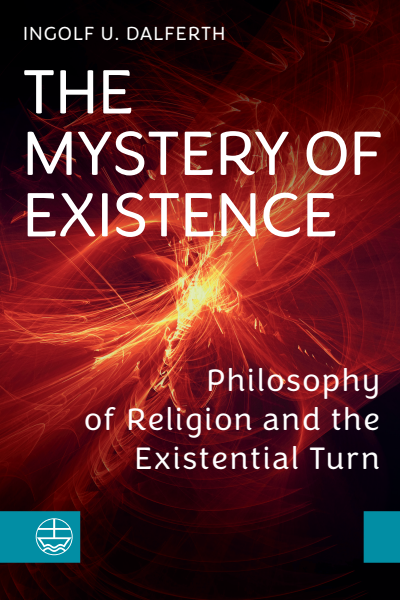
The Mystery of Existence
Philosophy of Religion and the Existential Turn- Autor:innen:
- Verlag:
- 2025
Zusammenfassung
Philosophy of religion, as is often demanded today, must change from a philosophy of religion to a philosophy of religions, otherwise it has no academic future in a pluralistic world. It should look at religions worldwide in all their diversity and no longer be content with a construct of religion in the tradition of Western theism. The criticism is often justified. However, the proposed alternatives do not offer a solution, but only multiply the problems. That is why this study takes a different approach. We can learn from Kant and Kierkegaard that existential problems and not questions of religion are at the center of the philosophy of religion. Philosophy of religion is not primarily concerned with knowledge about religion or religions, but with self-knowledge. Like all critical philosophy, it aims to enable self-thinking, self-assessment and self-action. This existential turn in the philosophy of religion is concretized in four central areas of existential challenges: the relationship between existence and the idea of God, between meaning, absurdity, and existence, between existence and evil, and between infinite love and finite existence. [Das Mysterium der Existenz. Religionsphilosophie und die existentielle Wende] Religionsphilosophie, so wird heute oft gefordert, muss sich von einer Religionsphilosophie zu einer Philosophie der Religionen wandeln, sonst hat sie in einer pluralistischen Welt keine akademische Zukunft. Sie sollte die Religionen weltweit in ihrer ganzen Vielfalt in den Blick nehmen und sich nicht mehr mit einem Konstrukt von Religion in der Tradition des westlichen Theismus begnügen. Die Kritik ist oft berechtigt. Die vorgeschlagenen Alternativen bieten jedoch keine Lösung, sondern vervielfachen nur die Probleme. Deshalb wählt diese Studie einen anderen Ansatz. Von Kant und Kierkegaard können wir lernen, dass existenzielle Probleme und nicht Fragen der Religion im Mittelpunkt der Religionsphilosophie stehen. In der Religionsphilosophie geht es nicht in erster Linie um Wissen über Religion oder Religionen, sondern um Selbsterkenntnis. Wie jede kritische Philosophie zielt sie darauf ab, Selbstdenken, Selbstbeurteilung und Selbsthandeln zu ermöglichen. Diese existenzielle Wende in der Religionsphilosophie wird in vier zentralen Bereichen existenzieller Herausforderungen konkretisiert: dem Verhältnis zwischen Existenz und Gottesidee, zwischen Sinn, Absurdität und Existenz, zwischen Existenz, Übel und Bösem und zwischen unendlicher Liebe und endlicher Existenz.
Publikation durchsuchen
Bibliographische Angaben
- Auflage
- 1/2025
- Copyrightjahr
- 2025
- ISBN-Print
- 978-3-374-07925-4
- ISBN-Online
- 978-3-374-07926-1
- Verlag
- EVA, Leipzig
- Sprache
- Englisch
- Seiten
- 306
- Produkttyp
- Monographie
Inhaltsverzeichnis
- Preface Kein Zugriff
- Table of Contents Kein Zugriff
- 1.1 Contemporary Philosophy of Religion Kein Zugriff
- 1.2 Philosophy of Religion and Self-knowledge Kein Zugriff
- 1.3 Theology as Anthropology and vice versa Kein Zugriff
- 1.4 Philosophical Anthropology as Existential Philosophy Kein Zugriff
- 1.5 The Gap of Identity Kein Zugriff
- 1.6 The Significance of the First Person Kein Zugriff
- 1.7 The Philosophical Idea of God Kein Zugriff
- 1.1 From the Anthropological to the Existential Turn Kein Zugriff
- 1.2 Kant’s Questions Kein Zugriff
- 1.3 Incomprehensible Kein Zugriff
- 1.4 God as Unground and Primordial Ground Kein Zugriff
- 1.5 The Ambiguity of Human Reason Kein Zugriff
- 1.6 The Task and Dangers of Human Self-Creation Kein Zugriff
- 1.7 From Rational Animal to Creature Kein Zugriff
- 1.8 The Ideal of Humanity Kein Zugriff
- 2.1 Creature and Creator Kein Zugriff
- 2.2 Deep Passivity and Existential Choice Kein Zugriff
- 2.3 Finitude and Fate Kein Zugriff
- 2.4 The Priority of Existence Kein Zugriff
- 2.5 God and the Asymmetry of Existence Kein Zugriff
- 2.6 More Than Meets the Eye Kein Zugriff
- 2.7 The Living Statue of God Kein Zugriff
- 2.8 In God’s Presence Kein Zugriff
- 3.1 The Ontological Priority of God Kein Zugriff
- 3.2 Something Necessary? Kein Zugriff
- 3.3 From the Concept to the Idea of God Kein Zugriff
- 3.4 From the Science of Being to the Science of Real Possibility Kein Zugriff
- 3.5 The Anthropological Turn Kein Zugriff
- 3.6 Freedom, God, and Immortality Kein Zugriff
- 4.1 The Priority of Feeling Kein Zugriff
- 4.2 The Immediate Presence of Undivided Existence in its Entirety Kein Zugriff
- 4.3 Absolute Dependence as Reality Index Kein Zugriff
- 4.4 The Hermeneutical Structure of The Christian Faith Kein Zugriff
- 4.5 The Character of The Christian Faith Kein Zugriff
- 4.6 The Structure of the First Edition of the Christian Faith Kein Zugriff
- 4.7 The Changes of the Second Edition Kein Zugriff
- 4.8 The Revision of the Introduction Kein Zugriff
- 1.1 Experience and Experiencing Kein Zugriff
- 1.2 The Insufficiency of Concepts Kein Zugriff
- 1.3 Theoretical Problems and Existential Questions Kein Zugriff
- 1.4 Knowing that One Doesn’t Know Kein Zugriff
- 1.5 Conceptual Narratives Kein Zugriff
- 1.6 From the Mind to the Genes Kein Zugriff
- 1.7 Aporia Between Self-Creation and Self–Abolition Kein Zugriff
- 1.8 The Deeper Anthropological Insights of Modernity Kein Zugriff
- 1.9 From Is to Ought Kein Zugriff
- 2.1 Limits, Boundaries, Borders, and Other Restrictions Kein Zugriff
- 2.2 The Search for Meaning Kein Zugriff
- 2.3 Technology and Crossing Boundaries Kein Zugriff
- 2.4 Ethical Challenges Kein Zugriff
- 2.5 The Orientational Power of Narratives Kein Zugriff
- 2.6 From Narratives to Narrating Kein Zugriff
- 2.7 Fragile Boundaries Kein Zugriff
- 3.1 Demythologization vs. Demythization Kein Zugriff
- 3.2 Beyond Narratives and Counter-Narratives Kein Zugriff
- 3.3 From Narratives to Existence Kein Zugriff
- 3.4 Kant’s Critique of the Critique of Prejudice Kein Zugriff
- 3.5 Thinking For Oneself vs. Disposing of Oneself Kein Zugriff
- 3.6 Learning to Think for Oneself Kein Zugriff
- 3.7 Three Types of Identity: Sameness, Selfhood, and Creatureliness Kein Zugriff
- 3.8 Being a Creature and Becoming Human Kein Zugriff
- 4.1 The Comedy of the Absurd Kein Zugriff
- 4.2 The Logic of the Absurd Kein Zugriff
- 4.3 Philosophy and Theology Kein Zugriff
- 4.4 Christian Discourse on Creation Kein Zugriff
- 4.5 Real Possibility and Creation Kein Zugriff
- 4.6 Absurd Existence Kein Zugriff
- 4.7 Execution vs. Narrative Kein Zugriff
- 4.8 Logic, Comedy and Tragedy of the Absurd Kein Zugriff
- 4.9 Theological Alternatives Kein Zugriff
- 4.10 Living With the Absurd Kein Zugriff
- 1.1 Kierkegaard’s Request Kein Zugriff
- 1.2 The Idea of a Single Individual Kein Zugriff
- 1.3 Becoming a Single Individual Kein Zugriff
- 1.4 The Foundation of Possibility Kein Zugriff
- 1.5 Passion and Passivity Kein Zugriff
- 2.1 Philosophy and the Idea of God Kein Zugriff
- 2.2 From Choosing Between Options to Modes of Acting Kein Zugriff
- 2.3 Freedom as the Power to Realize the Good Kein Zugriff
- 2.4 From Divine Freedom to Human Autonomy Kein Zugriff
- 2.5 The Reality of Ideas Kein Zugriff
- 2.6 Sin and Radical Evil Kein Zugriff
- 2.7 The Predicament of Human Existence Kein Zugriff
- 3.1 From Theodicy to Anthropodicy Kein Zugriff
- 3.2 The Reality of Evil Kein Zugriff
- 3.3 Understanding Evil Kein Zugriff
- 3.4 Christian Accounts of Evil Kein Zugriff
- 3.5 The Analysis of Evil Kein Zugriff
- 3.6 Can We Do Evil on Purpose? Kein Zugriff
- A. Forms of Despair Kein Zugriff
- B. Despair and Sin Kein Zugriff
- C. Despairing Over Oneself Kein Zugriff
- 3.8 The Root of Despair: Boredom Kein Zugriff
- 3.9 The Root of Boredom: Anxiety Kein Zugriff
- 3.10 Evil and Sin Kein Zugriff
- 1.1 The Experience of not Experiencing God Kein Zugriff
- 1.2 Experience of God? Kein Zugriff
- 1.3 Creation and Creator Kein Zugriff
- 1.4 A New Experience with God Kein Zugriff
- 2.1 The Power of Love Kein Zugriff
- 2.2 Divine Love as Root Metaphor Kein Zugriff
- 2.3 The Creativity of Divine Love Kein Zugriff
- 2.4 The Reality of Love as the Actuality of the Possible Kein Zugriff
- 2.5 Finite Existence and Hope in the Possibility of the Good Kein Zugriff
- Sources and Abbreviations Kein Zugriff Seiten 297 - 298
- Bibliography Kein Zugriff Seiten 299 - 306