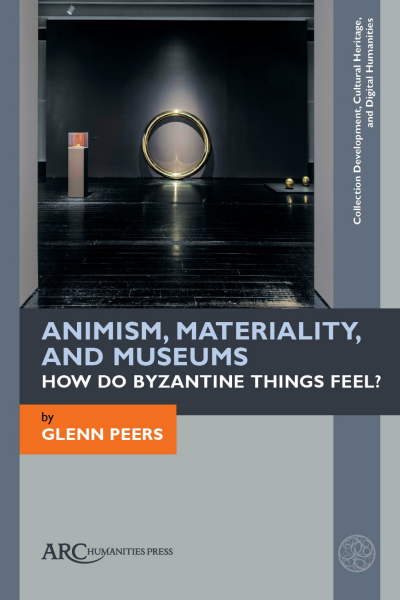
Byzantine art is normally explained as devotional, historical, highly intellectualized, but this book argues for an experiential necessity for a fuller, deeper, more ethical approach to this art. Written in response to an exhibition the author curated at The Menil Collection in 2013, this monograph challenges us to search for novel ways to explore and interrogate the art of this distant culture. They marshal diverse disciplines—modern art, environmental theory, anthropology—to argue that Byzantine culture formed a special kind of Christian animism. While completely foreign to our world, that animism still holds important lessons for approaches to our own relations to the world. Mutual probings of subject and art, of past and present, arise in these essays—some new and some previously published—and new explanations therefore open up that will interest historians of art, museum professionals, and anyone interested in how art makes and remakes the world.
This book is available as Open Access.
Publikation durchsuchen
Bibliographische Angaben
Auflage
1/2021
Copyrightjahr
2021
ISBN-Print
978-1-942401-73-5
ISBN-Online
978-1-942401-74-2
Verlag
Arc Humanities Press, Yorkshire
Reihe
Collection Development, Cultural Heritage, and Digital Humanities