, um zu prüfen, ob Sie einen Vollzugriff auf diese Publikation haben.
Monographie Kein Zugriff
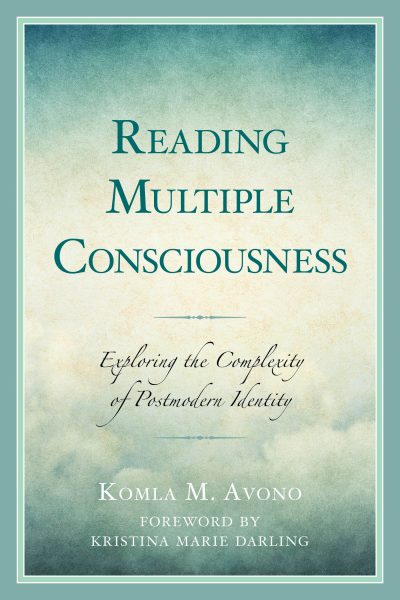
Reading Multiple Consciousness
Exploring the Complexity of Postmodern Identity
Autor:innen:
Verlag:
2024
Zusammenfassung
For over a century, the intellectual debate of scholars from African descent has been dominated by the idea of double consciousness spearheaded by W.E.B. DuBois. Interestingly, with many years of vexatious issues of the encounter between the West and Africa, many scholars approached the debate on the basis of the consciousness of the Self and the Other. However, this idea seems to overlook the multiplicities of being black/white. Reading Multiple Consciousness: Exploring the Complexity of Postmodern Identity suggests a different approach to the issue by taking more steps beyond double consciousness. It enriches the debate over race literature and colonization as it offers another way of reading texts. This book proposes that the complexity of postmodern identity is more accurately described by a theory of multiple consciousness. This study arises out of the necessity of a more nuanced theoretical framework for a younger generation of researchers on both sides of the Atlantic, a conceptual approach that does justice to the complexity of their experience.
Publikation durchsuchen
Bibliographische Angaben
Auflage
1/2024
Copyrightjahr
2024
ISBN-Print
978-1-6669-6073-0
ISBN-Online
978-1-6669-6074-7
Verlag
Lexington, Lanham
Sprache
Englisch
Seiten
96
Produkttyp
Monographie
Inhaltsverzeichnis
KapitelSeiten
Dedication Kein Zugriff
Contents Kein Zugriff
Acknowledgments Kein Zugriff
Foreword: Beyond the Self/Other Binary Kein Zugriff
Introduction Kein Zugriff Seiten 1 - 4
Chapter 1: Multiple Consciousness: Laye Camara’s The Dark Child and Richard Wright’s Black Boy Kein Zugriff Seiten 5 - 20
Chapter 2: Audience, Double-Consciousness, and African Teachers of American Literature Kein Zugriff Seiten 21 - 30
Chapter 3: A Hungry Man Is a Negro Man: Racializing Poverty in Richard Wright’s Black Boy Kein Zugriff Seiten 31 - 42
Chapter 4: The Weakness of Power in Richard Wright’s Native Son: Lessons Learned in the Context of American Exceptionalism Kein Zugriff Seiten 43 - 56
Chapter 5: The Black Man’s Construction of His Own Invisibility in Ralph Ellison’s Invisible Man Kein Zugriff Seiten 57 - 66
Chapter 6: Collecting, Connecting, and Correcting: Vital Steps at the Heart of the Harlem Renaissance Kein Zugriff Seiten 67 - 74
Conclusion Kein Zugriff Seiten 75 - 84
Bibliography Kein Zugriff Seiten 85 - 90
Index Kein Zugriff Seiten 91 - 94
About the Author Kein Zugriff Seiten 95 - 96
Ähnliche Veröffentlichungen
aus dem Schwerpunkt "Kulturgeschichte & Kulturwissenschaft"