, um zu prüfen, ob Sie einen Vollzugriff auf diese Publikation haben.
Monographie Kein Zugriff

Narratives of Islamic Origins

The Beginnings of Islamic Historical Writing
Autor:innen:
Verlag:
 2020

Zusammenfassung

How and why did Muslims first come to write their own history? The author argues in this work that the Islamic historical tradition arose not out of idle curiosity, or through imitation of antique models, but as a response to a variety of challenges facing the Islamic community during its first several centuries. In the first part, the author presents an overview of four approaches that have characterized scholarship on the literary sources, including the source-critical and the skeptical approaches, then it discusses historiographical problems raised by the Qurʾān and ḥadīth. In the second part, the work analyzes major themes in historical narratives and presents formal and structural characteristics of early Islamic historiography. The monograph concludes with the proposition of a four-stage chronology regarding the evolution of historical writing in Arabic. “ ... this book ... deserves to become the first that teachers introduce to students.” (Richard Bulliet)


Publikation durchsuchen


Bibliographische Angaben

Auflage
1/2020
Copyrightjahr
2020
ISBN-Print
978-3-95994-110-5
ISBN-Online
978-3-95994-111-2
Verlag
Gerlach Press, Berlin
Reihe
SLAEI - Studies in Late Antiquity and Early Islam
Band
14
Sprache
Englisch
Seiten
375
Produkttyp
Monographie

Inhaltsverzeichnis

KapitelSeiten
    1. CONTENTS Kein Zugriff
    2. Preface Kein Zugriff
    1. The Problem of Sources Kein Zugriff
    2. Approaches to the Sources Kein Zugriff
    3. Critique of the Skeptical Approach Kein Zugriff
      1. The Problem Kein Zugriff
      2. Qur’ān and Ḥadīth on Religious and Political Authority Kein Zugriff
      3. Qur’ān and Ḥadīth on the Prophet’s Contemporaries Kein Zugriff
      4. Anachronisms in Qur’ān and Ḥadīth Kein Zugriff
      5. Qur’ān and Ḥadīth on Earlier Prophets Kein Zugriff
      6. Qur’ān and Ḥadīth on Muḥammad Kein Zugriff
      7. Qur’ān and Ḥadīth on Prayer Kein Zugriff
      8. Qur’ān and Ḥadīth on Intercession and the Deceased Kein Zugriff
      9. The Lexicon of Qur’ān and Ḥadīth Kein Zugriff
      10. Conclusions Kein Zugriff
      11. Appendix: Some Documentary Evidence Kein Zugriff
      1. Qur’ānic Piety Kein Zugriff
      2. The Qur’ān and History Kein Zugriff
      3. Survival of the Pious Tradition Kein Zugriff
      4. Documentary Evidence Kein Zugriff
      5. Literary Evidence Kein Zugriff
      6. The Pious Tradition and History Kein Zugriff
      1. Piety as a Form of Legitimation Kein Zugriff
      2. Genealogical Legitimation Kein Zugriff
      3. Theocratic Legitimation (Appeal to Divine Will) Kein Zugriff
      4. Historicizing Legitimation: General Considerations Kein Zugriff
      5. Historicizing Legitimation in the Islamic Tradition Kein Zugriff
      1. Introduction Kein Zugriff
      2. Thematic Balance in al-Ṭabarī’s Annals Kein Zugriff
      3. Other Historians’ Master Narratives Kein Zugriff
      4. Memory and History Kein Zugriff
      5. Themes and Issues in the Early Islamic Narrative Tradition Kein Zugriff
      1. Nubūwa Kein Zugriff
      2. Qur’ān-Related Narratives Kein Zugriff
      1. Umma Kein Zugriff
      2. Cult and Administration Kein Zugriff
      3. Taxation Kein Zugriff
      1. Futūḥ Kein Zugriff
      2. Khilāfa (Caliphate) Kein Zugriff
      1. Fitna Kein Zugriff
      2. Sīrat al-khulafā’ Kein Zugriff
      3. Pre-Islamic Arabian History Kein Zugriff
      4. Pre-Islamic Iran Kein Zugriff
      5. Ridda Kein Zugriff
      1. The Narrative Tradition: Themes, Continuities, and Authenticity Kein Zugriff
      2. The Narrative Tradition: Historicization and Hybridization Kein Zugriff
        1. Medina Kein Zugriff
        2. Mecca Kein Zugriff
        3. al-Kūfa Kein Zugriff
        4. al-Baṣra Kein Zugriff
        5. Yemen Kein Zugriff
        6. Egypt Kein Zugriff
        7. Syria Kein Zugriff
      3. Other Marginal Themes: Apocalyptic Kein Zugriff
      1. Appendix: Table of Named Years Kein Zugriff
      1. The Ḥadīth Format Kein Zugriff
      2. Problems of Context Kein Zugriff
      3. Problems of Transmission Kein Zugriff
      4. Topoi and Schematizations Kein Zugriff
      5. Appendix: Ibn Isḥāq’s Account of the Conquest of Fiḥl and Damascus Kein Zugriff
        1. The Pre-Historicist Phase (to ca. 50 AH) Kein Zugriff
        2. The Proto-Historicist Phase (ca. 25 AH to ca. 100 AH) Kein Zugriff
        3. The Early Literate Phase (ca. 75 AH-ca. 150 AH) Kein Zugriff
        4. The Late Literate Phase (“Classical Islamic Historiography,” ca. 125 AH-ca. 300 AH) Kein Zugriff
      1. Some General Reflections on Early Islamic Historiography Kein Zugriff
      2. The Question of Multiple Orthodoxies Kein Zugriff
  1. Epilogue: What Became of the Classical Historiographical Tradition? Kein Zugriff Seiten 291 - 296
    1. Bibliography and Abbreviations Kein Zugriff
  2. Index Kein Zugriff Seiten 345 - 358

Ähnliche Veröffentlichungen

aus der Reihe "SLAEI - Studies in Late Antiquity and Early Islam"
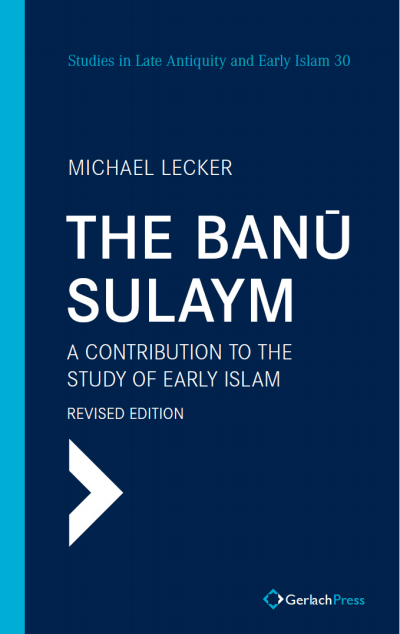
Cover des Buchs: The Banū Sulaym
Monographie Kein Zugriff
Michael Lecker
The Banū Sulaym
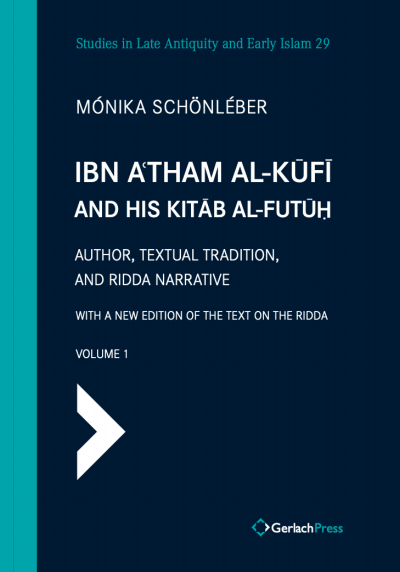
Cover des Buchs: Ibn A‘tham al-Kūfī and his Kitāb al-futūḥ
Monographie Kein Zugriff
Mónika Schönlebér
Ibn A‘tham al-Kūfī and his Kitāb al-futūḥ
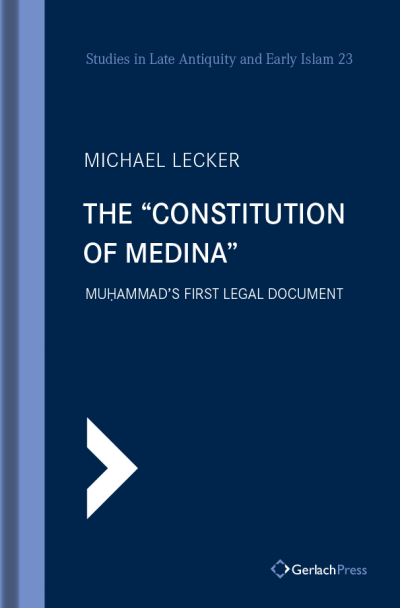
Cover des Buchs: The "Constitution of Medina"
Monographie Kein Zugriff
Michael Lecker
The "Constitution of Medina"
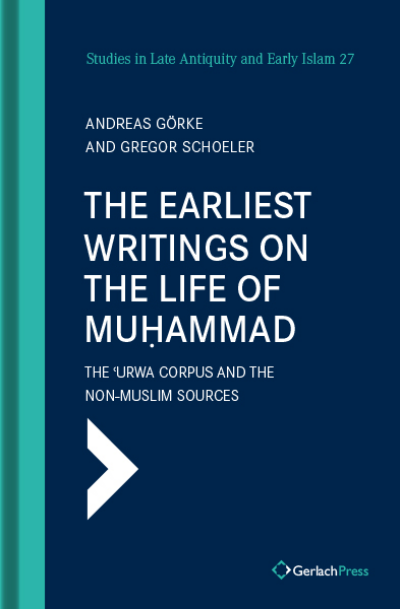
Cover des Buchs: The Earliest Writings on the Life of Muhammad
Monographie Kein Zugriff
Andreas Görke, Gregor Schoeler
The Earliest Writings on the Life of Muhammad
Cover des Buchs: The Eye of the Beholder
Monographie Kein Zugriff
Uri Rubin
The Eye of the Beholder